



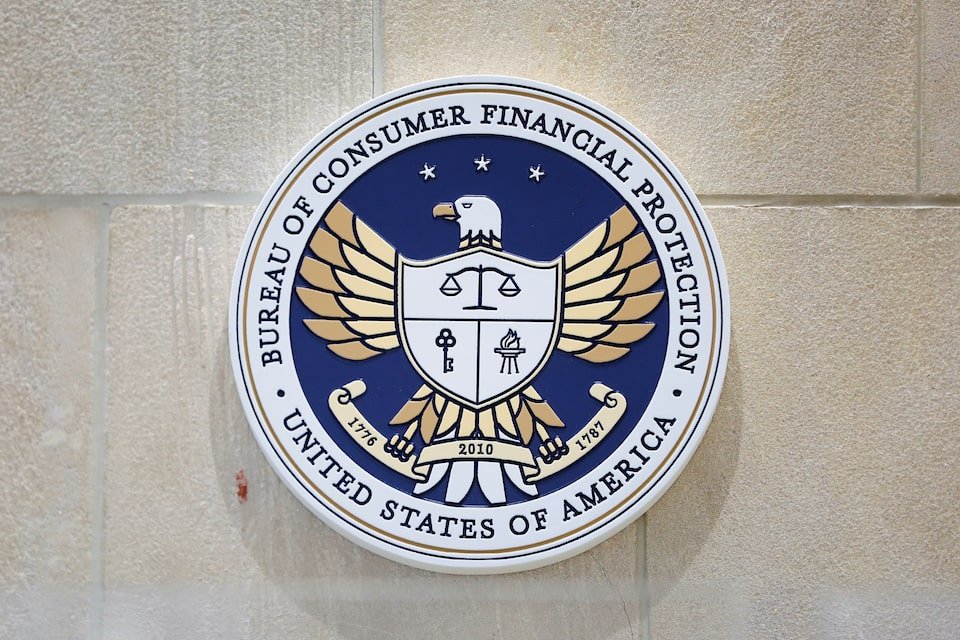
A recent decision by a U.S. financial watchdog has sparked debate across the consumer finance industry after it ruled that paycheck advance products are no longer subject to traditional lending laws. The move marks a significant regulatory shift that could affect millions of workers who rely on early wage access services to manage short-term cash needs.
Paycheck advance products allow employees to access a portion of their earned wages before their official payday, often through apps or employer-sponsored programs. These services have grown rapidly in popularity, especially among workers seeking alternatives to high-interest payday loans. Unlike traditional loans, paycheck advances typically do not charge interest, instead relying on subscription fees, optional tips, or employer partnerships.
The watchdog’s decision clarifies that these products do not fall under existing lending regulations, which govern disclosure requirements, interest rate limits, and consumer protections. Regulators argue that because the money accessed is already earned — not borrowed — these services function differently from credit products.
Supporters of the ruling say it provides much-needed clarity and encourages innovation in financial technology. By removing regulatory uncertainty, companies offering paycheck advance services may be able to expand more easily, partner with employers, and offer workers faster access to earned income. Advocates also argue that these products can reduce dependence on predatory payday loans and overdraft fees.
However, critics warn that the decision could weaken consumer protections. Without lending laws in place, concerns remain about hidden fees, aggressive marketing, and the potential for workers to become reliant on early wage access to cover recurring expenses. Consumer advocates argue that even without interest charges, frequent use of paycheck advances can create a cycle of financial instability.
The ruling also raises broader questions about how financial products are classified in a rapidly evolving market. As fintech companies continue to blur the lines between banking, lending, and payroll services, regulators face increasing pressure to update rules designed for more traditional financial systems.
Employers play a key role in this ecosystem as well. Many companies offer paycheck advance tools as an employee benefit, positioning them as a way to support financial wellness. With clearer regulatory treatment, more employers may adopt these programs — but responsibility will remain to ensure transparency and fair usage.
Ultimately, the watchdog’s decision highlights the challenge of balancing innovation with consumer protection. While paycheck advances may offer real benefits, the long-term impact of lighter regulation will depend on how responsibly providers operate and whether additional safeguards emerge. As these products become more widespread, policymakers and consumers alike will be watching closely.