


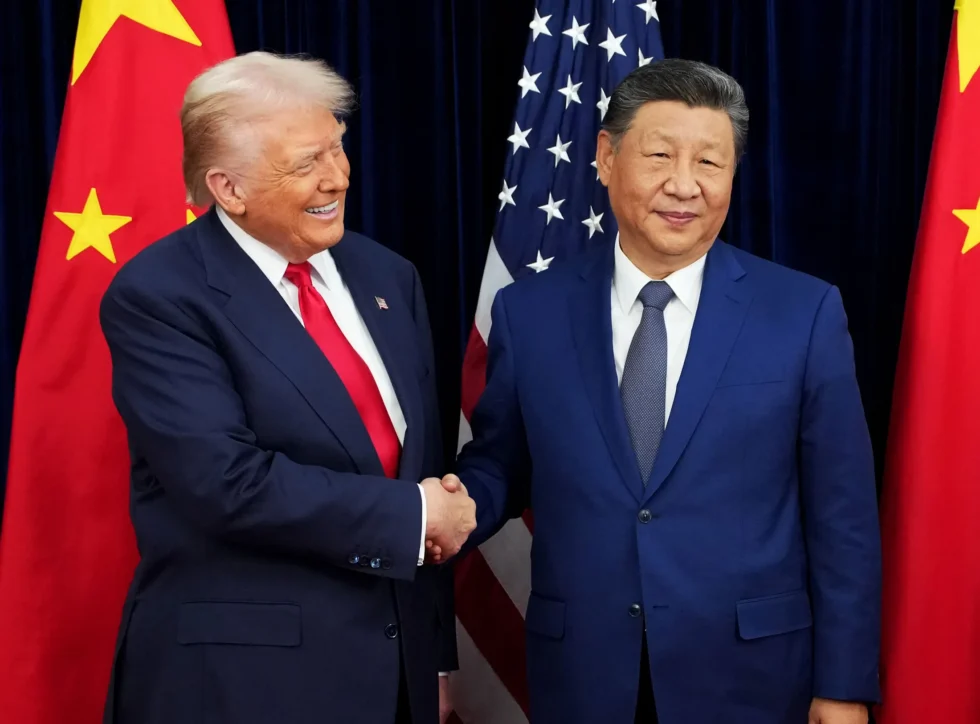
On the global stage, China’s leader Xi Jinping appears to be closing the year from a position of strength. Diplomatically confident and politically secure at home, Xi has projected stability while preparing for renewed tensions with a potential return of Donald Trump to the U.S. presidency. Yet beneath this image of control lies a far more complicated reality for China’s economy and society.
Politically, Xi remains firmly entrenched. Power is highly centralized, dissent within the Communist Party is limited, and messaging is tightly controlled. This consolidation has allowed Xi to pursue long-term strategic goals without meaningful internal opposition. Internationally, China has positioned itself as a steady counterweight to Western uncertainty, emphasizing continuity and sovereignty.
However, China’s economic foundations are under strain. Growth has slowed markedly compared to previous decades, driven by weak consumer confidence, property-sector distress, and declining private investment. Once a reliable engine of expansion, the real estate market has become a source of risk, eroding household wealth and pressuring local governments.
Youth unemployment and demographic decline add to the challenge. A shrinking workforce and aging population threaten productivity and long-term growth, while younger generations face fewer opportunities than their parents. These trends are difficult to reverse and place structural limits on China’s economic ambitions.
Externally, China faces a less accommodating global environment. Trade tensions, technology restrictions, and geopolitical competition — particularly with the United States — continue to reshape supply chains and investment flows. Xi has framed these pressures as part of a broader struggle for national resilience, using them to justify tighter state control and greater self-reliance.
Yet this approach carries risks. While state-led investment can stabilize growth in the short term, it may crowd out private innovation and entrepreneurship. Businesses remain cautious, unsure how policy priorities may shift or how regulatory scrutiny could affect them.
Public sentiment is another delicate factor. Although political expression is tightly managed, economic anxiety is increasingly visible. The social contract that traded rapid growth for political stability is under strain as opportunities narrow and expectations reset.
Xi’s leadership has proven adept at projecting confidence, but the contrast between external strength and internal vulnerability is becoming harder to ignore. Managing this imbalance will define China’s next phase. The challenge is no longer consolidating power — it is restoring momentum, trust, and confidence in a system facing its most complex test in decades.
As China enters the coming year, Xi’s authority remains unquestioned. Whether that authority can translate into renewed economic vitality is the question that will shape China’s future — and the global economy alongside it.