


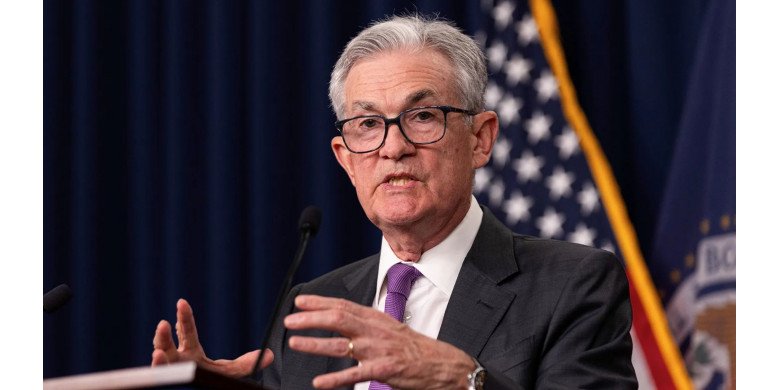
Former U.S. President Donald Trump has once again raised the possibility of firing Federal Reserve Chair Jerome Powell, reintroducing uncertainty around the future independence of the U.S. central bank just as attention turns to the next phase of Fed leadership. Trump’s comments underscore how monetary policy and politics are becoming increasingly intertwined.
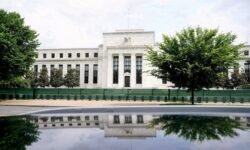
The Federal Reserve plays a critical role in shaping the U.S. economy, setting interest rates, managing inflation, and maintaining financial stability. Traditionally, the Fed operates independently from political pressure, a principle long viewed as essential to market confidence. Trump’s renewed remarks challenge that norm and have drawn close attention from investors, economists, and policymakers.
Trump has repeatedly criticized Powell in the past, particularly during periods of high interest rates. He has argued that tighter monetary policy hurts economic growth and weakens financial markets, positioning himself as an advocate for lower rates. By revisiting the idea of removing the Fed chair, Trump signals that central bank leadership could become a central issue in future economic decision-making.
The timing of the comments matters. As discussions intensify around potential leadership changes at the Federal Reserve, markets are sensitive to any suggestion that policy direction could shift abruptly. Even speculation about political interference can affect bond yields, stock markets, and currency valuations, highlighting how closely financial systems watch central bank stability.
Legal and institutional barriers complicate any attempt to remove a Fed chair. While presidents appoint Federal Reserve leaders, their removal is not straightforward and has rarely been tested. Experts note that such an action could spark legal challenges and raise serious concerns about the erosion of institutional safeguards.
Supporters of Trump’s stance argue that the Federal Reserve should be more accountable and responsive to economic realities faced by households and businesses. Critics counter that undermining Fed independence risks long-term damage, including higher inflation expectations and reduced credibility in global markets.
The debate reflects a broader shift in how economic policy is discussed publicly. Central banking, once a largely technocratic domain, is increasingly part of political discourse. This trend raises questions about how future leaders will balance economic expertise with political priorities.
Ultimately, Trump’s comments serve as a reminder that the future direction of U.S. monetary policy is not just an economic issue, but a political one. As markets look ahead, clarity around Federal Reserve leadership and independence will remain a key factor shaping confidence, stability, and long-term growth.