


The artificial intelligence boom is entering a new phase — and investors are increasingly shifting attention away from headline-grabbing AI applications toward the “pick-and-shovel” companies powering the entire ecosystem. Just as past technological revolutions rewarded those who supplied the tools rather than the end products, today’s AI trade is expanding into the infrastructure that makes large-scale AI possible.
During the early stages of the AI surge, market enthusiasm centered on companies building chatbots, generative models, and consumer-facing tools. While these firms captured imagination — and soaring valuations — investors are now looking deeper into the supply chain. The focus is turning to firms that provide the computing power, hardware, software, and energy required to run AI at scale.
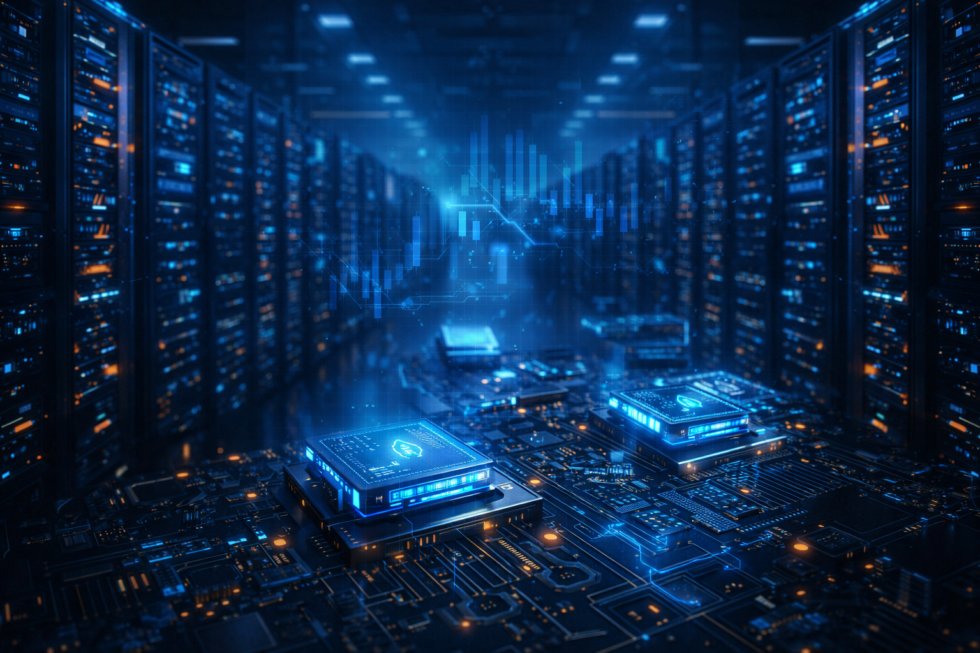
At the heart of this shift are semiconductor makers, data-center operators, cloud infrastructure providers, and networking companies. AI models demand enormous processing power, vast data storage, and fast, reliable connectivity. As models grow more complex, the need for chips, servers, cooling systems, and power infrastructure continues to accelerate.
This evolution reflects a more mature view of the AI economy. Instead of betting on which applications will dominate, investors are seeking exposure to companies that benefit regardless of which AI platforms win. These “pick-and-shovel” stocks often generate steadier revenue, enjoy long-term contracts, and face less consumer-driven volatility than application developers.
Another key factor is valuation discipline. Many AI application stocks have already priced in aggressive growth expectations. Infrastructure providers, by contrast, are often viewed as underappreciated beneficiaries of AI demand, offering more attractive risk-reward profiles for long-term investors.
Energy and power management have also emerged as critical themes. Data centers supporting AI workloads consume massive amounts of electricity, pushing demand for utilities, grid upgrades, and energy-efficiency technologies. This has broadened the AI trade beyond pure technology names into adjacent sectors tied to digital infrastructure.
Market analysts note that this phase of the AI cycle could be more durable. Infrastructure investments are capital-intensive and long-lived, meaning spending commitments tend to persist even during periods of economic uncertainty. That resilience makes pick-and-shovel stocks appealing as the AI boom moves from experimentation to full deployment.
Ultimately, the next leg of the AI trade isn’t about flashy demos or viral tools — it’s about the foundations. As artificial intelligence becomes embedded across industries, the companies supplying the hardware, power, and systems behind the scenes may prove to be the most consistent winners of all.