


US oil companies operating in Venezuela are facing renewed uncertainty as political tensions, policy shifts, and economic instability continue to cloud the future of energy activity in the country. The situation highlights the complex relationship between geopolitics and global energy markets, where strategic interests often collide with regulatory and diplomatic realities.
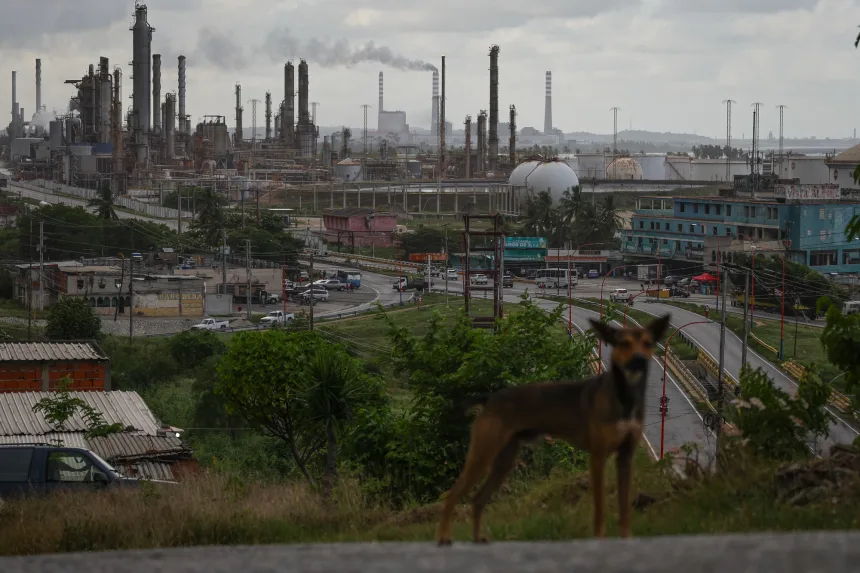
Venezuela holds some of the world’s largest oil reserves, making it a critical player in global energy supply despite years of declining production. For US energy firms, access to Venezuelan oil has long been viewed as both an opportunity and a risk. While the country’s vast resources offer potential long-term value, operating conditions remain highly unpredictable.
One of the main challenges facing US companies is regulatory uncertainty. Changes in sanctions, licensing requirements, and diplomatic signals can quickly alter the business landscape. Energy firms must navigate a delicate balance between maintaining operations and complying with evolving policy frameworks. This uncertainty complicates long-term investment planning and raises concerns over financial exposure.
Operational difficulties further add to the challenge. Venezuela’s oil infrastructure has suffered from years of underinvestment, technical degradation, and skilled labor shortages. Even when companies are permitted to operate, production efficiency and export reliability remain constrained, limiting short-term output potential.
The broader energy market context also plays a role. Global oil prices, supply disruptions elsewhere, and shifting demand patterns influence how attractive Venezuelan oil appears to international companies. While tight supply conditions can increase interest in alternative sources, companies remain cautious about committing resources in high-risk environments.
For Venezuela, foreign energy participation is crucial to revitalizing its oil sector and generating much-needed revenue. However, attracting sustained investment requires greater stability, clarity, and confidence from international partners. Without these elements, progress is likely to remain limited.
From a strategic perspective, the situation underscores how energy security and foreign policy are increasingly intertwined. Decisions affecting oil operations are no longer driven solely by market forces, but also by diplomatic priorities and national interests.
In conclusion, US oil companies operating in Venezuela face a challenging and uncertain path forward. While the country’s vast reserves remain appealing, political risks, regulatory uncertainty, and operational constraints continue to shape decision-making. How these factors evolve will play a key role in determining the future of US involvement in Venezuela’s energy sector and its impact on global oil markets.