


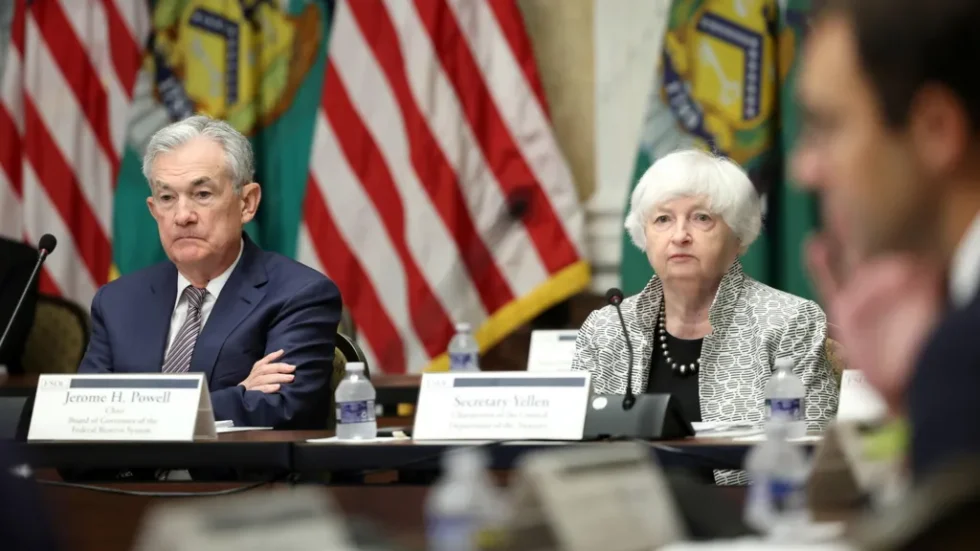
When former Federal Reserve chairs publicly condemn a criminal investigation into Jerome Powell, it isn’t routine criticism. It’s unusual. And when people who once held immense responsibility decide to speak together, it usually means they believe something important is being tested.
At a human level, this reaction isn’t about defending a person — it’s about defending a role. People who have sat in that chair understand how isolating power can be. Every decision is watched, judged, and second-guessed. Once personal legal threat enters that space, the pressure changes completely.
Former Fed chairs know what it feels like to make decisions that affect millions while trying to remain neutral. When an investigation targets someone still in that position, it sends a signal that the job itself may no longer be protected from political or personal pressure. That signal creates fear — not panic, but caution.
Human behaviour under threat becomes conservative. Leaders stop asking “what’s right” and start asking “what’s safe.” That shift is subtle, but dangerous. Institutions that rely on confidence and independence can quietly lose both without a single rule being broken.
What makes this moment uncomfortable is the timing. An investigation, even without conclusions, plants doubt. And doubt spreads faster than facts. Every decision begins to feel loaded. Every action risks being misinterpreted. Over time, that atmosphere affects judgment.
The former chairs’ response reflects shared experience. They understand how easily credibility can erode once authority feels vulnerable. Speaking out isn’t about nostalgia or loyalty — it’s about warning that precedent matters. If one person becomes exposed, the role itself becomes weaker.
There’s also a psychological ripple effect. Markets, businesses, and institutions react to confidence cues. When respected voices express concern, people listen more carefully. Trust doesn’t collapse instantly — it thins. And thin trust changes behavior long before numbers do.
This situation raises an uncomfortable question: can someone lead effectively when every decision carries personal risk? Even the strongest leaders are human. Fear doesn’t need to dominate to influence behavior — it just needs to exist.
In the end, this moment isn’t only about Jerome Powell. It’s about how much pressure a system can absorb before independence becomes performance instead of reality. When those who once carried that weight say “this crosses a line,” they’re not shouting — they’re cautioning.
And in systems built on confidence, quiet warnings often matter the most.