


When markets feel uncertain, human instinct tends to move toward what feels solid. The recent surge in metals prices pushing gold, silver, and copper to record levels reflects that instinct in action. This isn’t just a rally driven by numbers or charts; it’s a behavioral response to a world that feels increasingly unstable.
At moments like this, investors don’t simply chase returns they chase reassurance. Precious and industrial metals carry a psychological weight that few other assets do. They are physical, finite, and historically trusted. When confidence in currencies, growth forecasts, or policy clarity weakens, metals often become the emotional anchor.
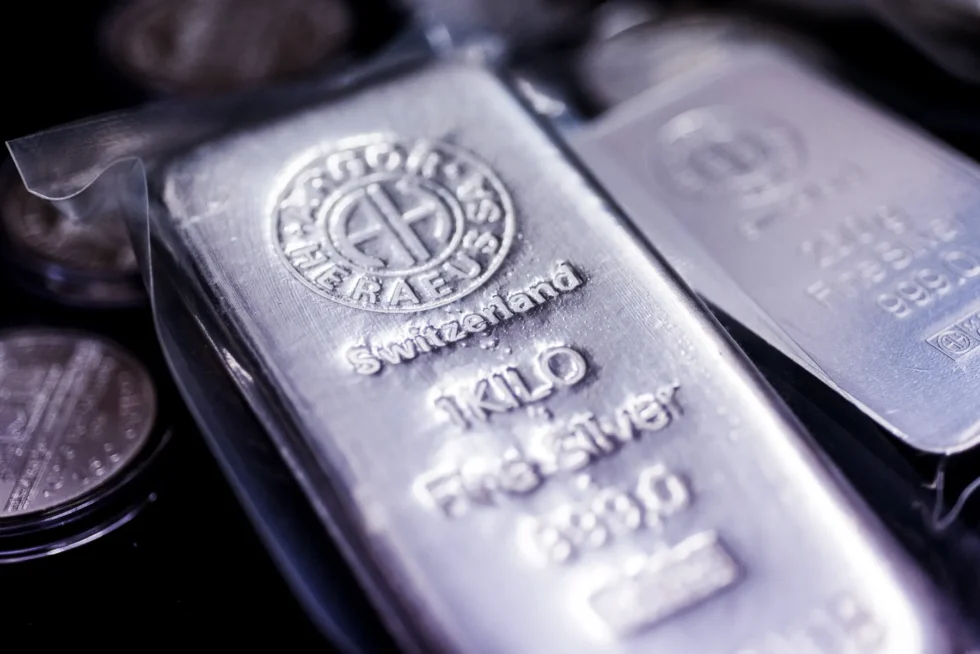
Silver and tin have led the charge, surprising even seasoned market watchers. Their strength signals more than speculative enthusiasm. It reflects a growing belief that industrial demand, supply constraints, and long-term structural shifts are converging at once. Copper’s rise reinforces this idea. Often viewed as a proxy for global growth, copper’s climb suggests investors are hedging not just against fear, but against future scarcity.
Gold’s move into record territory carries its own message. Gold doesn’t promise innovation or expansion it promises preservation. When people pile into gold, it’s usually because trust elsewhere feels fragile. Inflation concerns, geopolitical tension, and policy uncertainty all feed into this mindset. Gold becomes less about profit and more about protection.
Human behavior in markets tends to swing between optimism and caution. Right now, caution is winning but it’s an active form of caution. Instead of retreating entirely, investors are reallocating toward assets that feel durable. Metals benefit from this shift because they straddle both emotional and practical value. They are used in technology, energy transitions, infrastructure, and manufacturing but they also symbolize permanence.
There’s also a fear of missing out at play. Once records begin to fall, momentum builds quickly. Investors watching prices climb feel pressure to act before opportunities slip away. That collective urgency can accelerate rallies beyond what fundamentals alone might justify, at least in the short term.
Yet beneath the excitement lies restraint. Many investors are not betting recklessly; they are hedging thoughtfully. Metals offer diversification at a time when traditional asset correlations feel unreliable. Stocks, bonds, and currencies have all shown vulnerability, making tangible assets more appealing.
This rally says less about metals themselves and more about how people are responding to uncertainty. When the future feels unclear, behavior shifts toward what has endured before. Gold, silver, and copper are not just commodities in this moment — they are expressions of caution, confidence, and collective psychology.
Whether prices continue to climb or cool from here, the behavior behind the rally tells a clear story: in times of doubt, humans gravitate toward what feels real, tested, and hard to erase.