


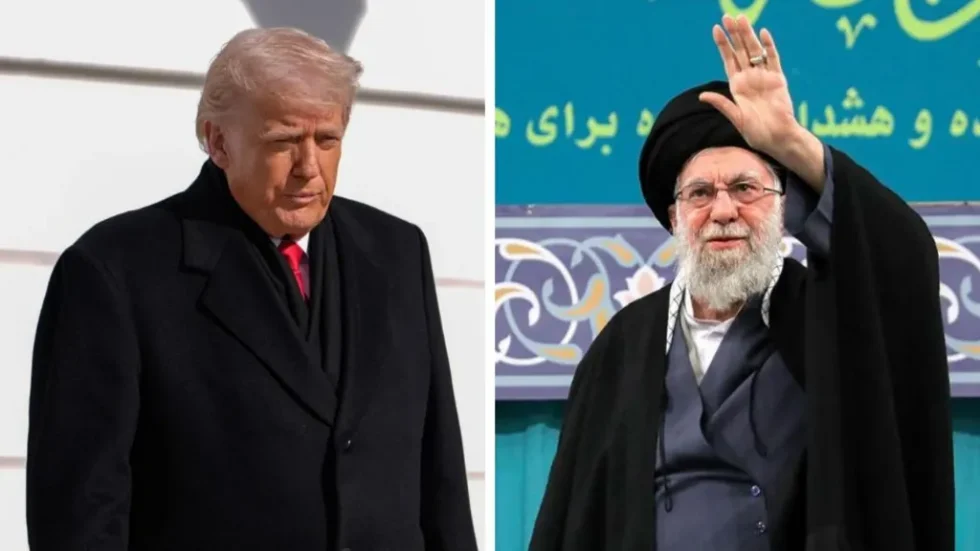
A direct US military strike on Iran would mark a dramatic escalation in an already fragile regional balance, with consequences extending far beyond the immediate battlefield. From an analysis perspective, such an action would not follow a single path, but rather open several possible scenarios each carrying distinct political, military, and economic risks.
One immediate outcome could be direct retaliation. Iran possesses significant missile capabilities and regional reach, making US bases and allies in the Middle East potential targets. Even a limited exchange could quickly spiral, drawing multiple actors into a wider confrontation.
Another scenario involves proxy escalation. Iran may choose not to respond head-on, instead activating allied groups across the region. This could destabilize key areas, disrupt shipping routes, and stretch US and allied defenses without triggering full-scale war.
There is also the risk of maritime disruption. Any threat to critical shipping lanes would have global consequences, particularly for energy markets. Even temporary instability could push prices sharply higher and amplify inflationary pressures worldwide.
A strike could also provoke political backlash inside Iran. External military action often strengthens hardline factions, reducing space for diplomacy and entrenching long-term hostility. Rather than weakening influence, such an outcome could consolidate it.
Another possibility is international fallout. Allies may be divided over the legitimacy and scope of military action, complicating diplomatic coordination. Global powers could exploit the situation to advance their own strategic interests, deepening geopolitical fragmentation.
There is also the chance of containment, where limited strikes remain narrowly focused and both sides step back from further escalation. While possible, this outcome depends heavily on restraint and precise signaling both difficult under high tension.
Finally, the most severe scenario is prolonged regional conflict, where repeated retaliation leads to sustained instability. This would strain global markets, undermine security frameworks, and reshape Middle East dynamics for years.
In analytical terms, a US strike on Iran would not be a single event but a trigger. The real impact would depend on how each actor responds and how quickly escalation outruns control.