


If the United States were to strike Iran, analysts argue Tehran’s reaction might look very different from past confrontations, shaped by shifts in military posture, regional alliances, and domestic pressures. Rather than a repeat of earlier patterns, the current environment creates a complex set of possible responses that could reshape regional stability.
One major factor is Iran’s enhanced military capabilities and asymmetric tactics. While Iran’s conventional military remains weaker than that of the US and its allies, Tehran has developed substantial missile arsenals, drone fleets, and proxy networks across the Middle East. These assets give Iran a broader palette of options from missile strikes against U.S. bases and regional partners to swarm drone tactics that could threaten naval groups making any response unpredictable and harder to contain.
Another key dimension is proxy escalation. In contrast to direct confrontations, Iran could mobilize allied groups in Iraq, Yemen, Lebanon, and Syria elements of what are often termed the “Axis of Resistance” to strike U.S. interests or disrupt maritime routes like the Strait of Hormuz. These actors have operated semi-independently in the past and could function as a buffer, complicating attribution and limiting Tehran’s direct exposure.
Domestic politics also shape the calculus. Recent widespread protests and internal unrest have weakened the regime’s standing at home, forcing leaders to balance external defiance with concerns about triggering further instability. A heavy-handed external retaliation could bolster hardline narratives but risk alienating moderates and ordinary citizens already frustrated with economic hardship and repression.
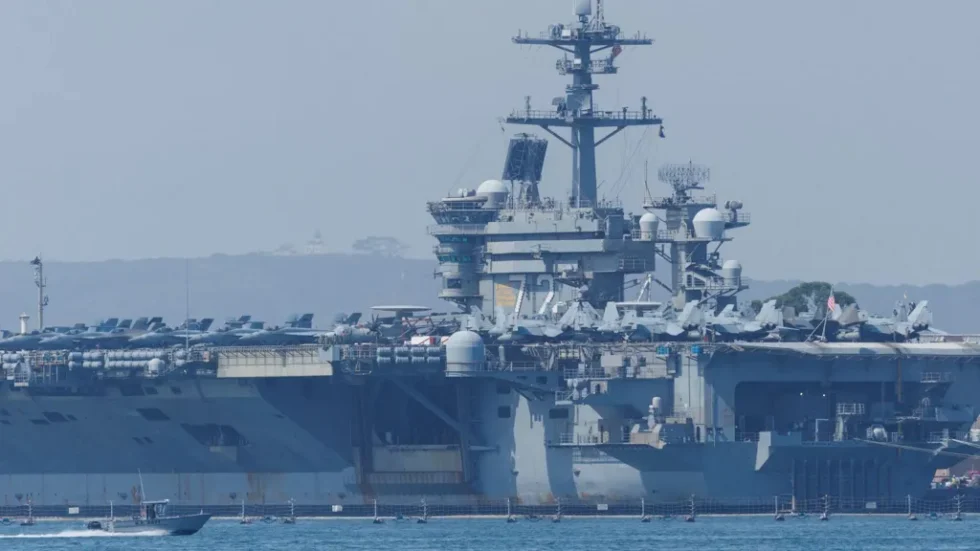
International diplomacy adds yet another layer. Regional powers and rival capitals are actively attempting to prevent escalation, signaling to Tehran that broad retaliation could isolate it further or invite unified opposition. At the same time, past US force projection including deployments of aircraft carrier groups reinforces Iranian warnings that any strike would be met with serious resistance rather than diplomatic acquiescence.
In analytical terms, Iran’s response could therefore encompass asymmetric military action, proxy engagement, economic or strategic countermeasures, and regional diplomatic maneuvering. Unlike earlier episodes where retaliation was limited or calibrated, today’s environment suggests a more layered and potentially more destabilizing set of responses if the US chooses military action.