



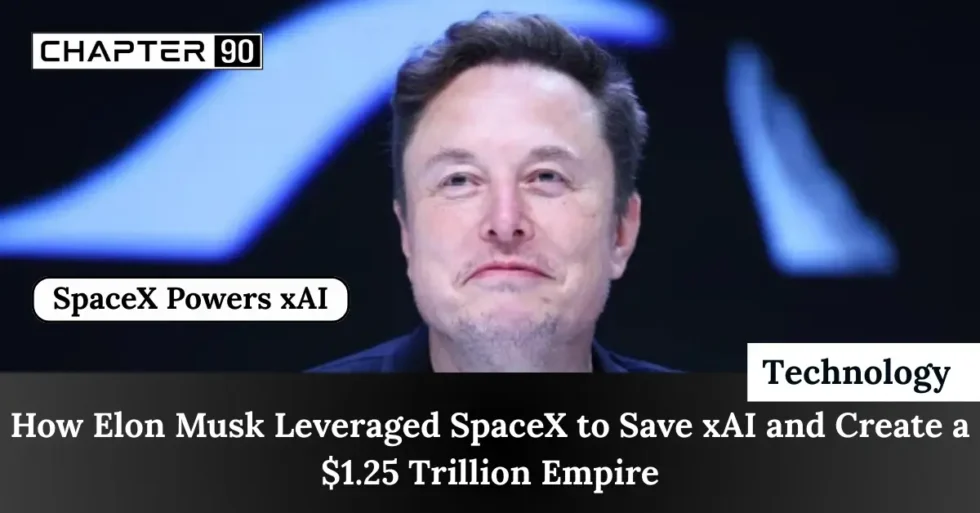
Elon Musk Builds a Wider Technology Network Through SpaceX and xAI
Elon Musk is again drawing attention in the technology world as his companies move closer around one larger vision
The latest discussion around SpaceX xAI and X shows how Musk is trying to connect artificial intelligence satellite internet social media data and major computing power into one wider business system
The idea is not only about one company buying or supporting another
It is about building a stronger technology network where each business can support the other
SpaceX brings rockets satellites and Starlink internet
xAI brings artificial intelligence development
X brings social data and a large digital audience
Together these companies give Musk a rare mix of software hardware communication systems and global infrastructure
Why SpaceX Matters for xAI
SpaceX is one of the strongest private companies in the world
It has built its value through reusable rockets government launch work Starlink satellite internet and global communication services
This gives SpaceX a position that most technology startups cannot match
For xAI this kind of support could be very important
Artificial intelligence companies need huge amounts of computing power energy data and money
They also need strong infrastructure if they want to compete with bigger players
SpaceX could help xAI by giving it access to satellite connectivity global data movement and long term operational strength
This is why many supporters see the connection between SpaceX and xAI as more than a normal business deal
They see it as a way to build a full technology ecosystem
Musk Looks Beyond Normal Tech Companies
Elon Musk often talks about his companies as parts of a bigger mission
Tesla focuses on electric vehicles energy and robotics
SpaceX focuses on rockets satellites and space expansion
xAI focuses on artificial intelligence
X connects people information and public discussion
When these companies are viewed together the plan becomes clearer
Musk appears to be building a system that can combine artificial intelligence communication transport energy and digital services
Supporters believe this could give his companies a major advantage in the future
Critics believe the plan is risky because it depends on very large funding complex management and continued investor trust
Investors Are Still Split
The possible connection between SpaceX and xAI has created mixed views among investors
Some see it as a smart move because xAI needs infrastructure and SpaceX already has it
They believe the relationship could help Musk compete in the fast growing artificial intelligence market
Others are more careful
They point out that xAI is still a very expensive business
It has to compete with OpenAI Google Microsoft and Meta
These companies already have strong teams deep funding and large computing systems
Some investors also have questions about valuation transparency long term profit and regulation
Even with these concerns Musk still has strong support in private markets
His companies continue to attract major investor attention because many people believe in his long term plans
SpaceX Keeps Growing in Value
SpaceX has become one of the most valuable private firms in the technology and aerospace sectors
Its growth has been supported by rocket launches Starlink internet services government contracts and defence related work
Starlink has also helped SpaceX become more than a rocket company
It now plays a major role in global broadband and satellite communication
This makes SpaceX valuable not only for space missions but also for internet access defence communication and future computing needs
Some investors also continue to discuss the idea of a SpaceX public listing one day
There is no confirmed timeline but many analysts believe it could become one of the largest public offerings if it ever happens
Infrastructure Is Now Central to Artificial Intelligence
The race in artificial intelligence is no longer only about software
Companies now need massive computing power strong data systems reliable energy and fast connectivity
This is where infrastructure becomes very important
Training advanced systems requires huge resources
It also requires the ability to move data and run powerful machines at scale
Supporters of the SpaceX and xAI relationship believe Musk could gain an advantage by combining artificial intelligence with satellite communication and space based infrastructure
This shows how the technology industry is changing
Owning the systems behind the software may become just as important as building the software itself
More Musk Companies Could Connect Over Time
The growing relationship between SpaceX xAI and X has also raised questions about Musk other companies
Some analysts believe Tesla SpaceX xAI and X could become more connected in the future
Each company works in a different field but there are clear links between them
Tesla has vehicles energy storage and robotics
SpaceX has rockets satellites and Starlink
xAI has artificial intelligence systems
X has social data and a global user base
Together they could form a much larger technology network
At the same time bringing such large companies closer together could create serious challenges
There could be management issues regulatory pressure financial risk and questions about how each company is controlled
A High Risk but Ambitious Strategy
Musk supporters see this strategy as bold and forward looking
They believe combining artificial intelligence aerospace internet data and infrastructure could reshape several industries at once
Critics see it differently
They argue that the plan is risky and depends heavily on investor confidence
They also believe private market valuations can become too aggressive when excitement around artificial intelligence is high
Both views have weight
The opportunity is large but the risks are also real
Why This Deal Matters
The expanding connection between SpaceX and xAI shows how fast the technology world is changing
Artificial intelligence is no longer only about apps chat tools or software products
It now touches satellites data centres energy systems internet networks and investment markets
For Musk the goal appears to be building a system where his companies support each other across all of these areas
If the plan works it could give his businesses a powerful position in the next stage of technology growth
If it fails it could create major financial and operational pressure
For now the SpaceX and xAI relationship remains one of the most closely watched stories in global technology
It shows how artificial intelligence is becoming tied to the physical systems that power the modern digital economy
Explore the latest insights on AI, markets, and technology shaping the global economy today.