


US and Iran to restart nuclear negotiations in Oman
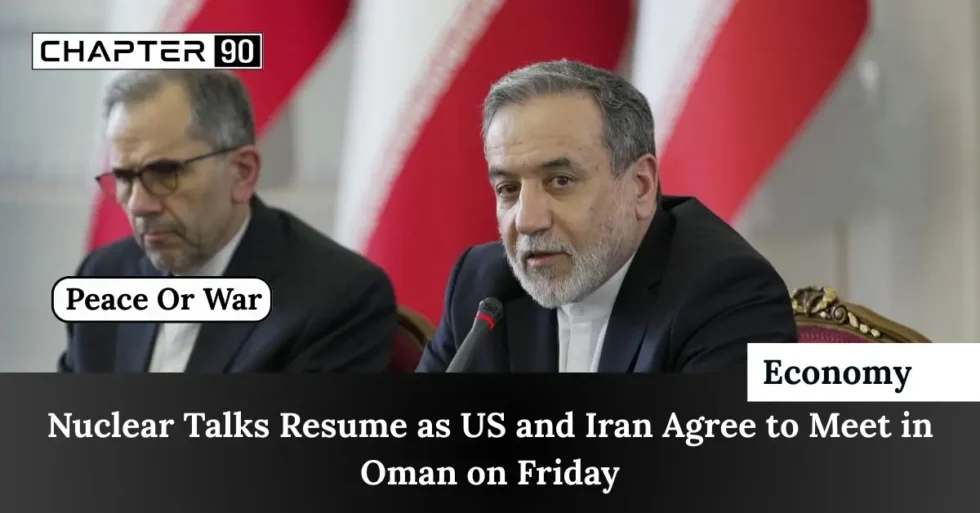
The United States and Iran are preparing to resume nuclear talks in Oman after several days of uncertainty and growing tension between both sides
The meeting is expected to take place in Muscat as both countries face pressure to reduce the risk of a wider conflict
The talks come after President Donald Trump gave a direct warning to Iran Supreme Leader Ayatollah Ali Khamenei and said Iran must move toward a nuclear agreement
Nuclear Talks To Begin In Muscat
Iranian Foreign Minister Abbas Araghchi said the talks will begin in Muscat at ten in the morning local time
United States officials later confirmed the timing and location of the meeting
Earlier in the week the discussions looked uncertain because both sides had disagreements about the meeting place and the topics that would be included
Trump Sends Strong Message To Iran
President Donald Trump has increased the United States military presence in the region and he also warned that military action could remain an option if Iran refuses to reach a nuclear deal or continues its harsh response against protesters
When Trump was asked whether Khamenei should be concerned he said the Iranian leader should be very worried
He also said that negotiations were already taking place
Iran Warns Against Military Action
Ayatollah Ali Khamenei responded by warning that any attack on Iran could lead to a wider regional war.Even with strong public statements from both sides diplomats said the talks were not officially cancelled
However the process remained unstable earlier in the week as both governments sent mixed signals
Regional Leaders Push For Diplomacy
Regional pressure helped bring the talks back on track
Several Arab and Muslim leaders reportedly urged the Trump administration not to leave the negotiation process
United States officials said the administration agreed to continue the talks out of respect for regional allies
Still there are doubts about whether the meeting can lead to real progress
Confusion Over Iran Role In The Talks
United States Secretary of State Marco Rubio said special envoy Steve Witkoff had been preparing to meet Iranian officials in Turkey with regional representatives
That plan changed after United States officials received unclear signals about whether Iran would take part
The confusion added more pressure to an already sensitive diplomatic process
United States Wants Wider Talks With Iran
Marco Rubio said any serious agreement must cover more than the nuclear issue
He said the talks should also include Iran missile program
Its support for armed groups in the region
And its treatment of citizens inside Iran
This shows that Washington wants a broader deal rather than a limited nuclear understanding
Iran Shows Openness On Nuclear Limits
Abbas Araghchi said Iran agrees with the demand that there should be no nuclear weapons
He also said a deal is possible if sanctions are lifted in return
Iran continues to say its nuclear program is peaceful
Tehran also denies that it is trying to build atomic weapons
Trump Mentions Past Military Strikes
Donald Trump said Iran was close to developing a nuclear weapon before United States forces carried out air and missile strikes on three major Iranian nuclear sites
He linked those strikes to the twelve day conflict between Israel and Iran last June
During that conflict Israeli forces also targeted Iranian nuclear facilities scientists military leaders and missile stockpiles
Concerns Over New Nuclear Activity
Trump said the strikes destroyed Iran uranium enrichment ability
However he warned that Iran may be trying to build a new facility in another location and he said the United States has warned Iran not to restart its nuclear program and the statement adds more pressure to the upcoming talks in Oman
Protests Add More Pressure Inside Iran
Trump also voiced support for Iranian protesters after a violent crackdown by security forces last month
The unrest began after Iran currency collapsed and living costs increased sharply and the protests later expanded into wider demands for political change
The domestic crisis has added another serious challenge for Iranian leaders as they return to nuclear talks
Death Toll Remains Uncertain
The full scale of the violence remains unclear because the government imposed an internet shutdown in early January
A rights group based in the United States reported that thousands of people were killed including children and bystanders and the group said it is still investigating more cases and Iranian authorities admitted that more than three thousand people died and they claimed most of the dead were security personnel or civilians killed by people they called rioters
Iran Rejects Foreign Pressure Claims
Ayatollah Ali Khamenei rejected the protest movement and described it as unrest driven by foreign powers and he blamed the United States and Israel for encouraging violence inside Iran. His comments show that the Iranian leadership is trying to frame the unrest as an outside plot rather than a domestic political crisis
What The Oman Talks Could Mean
The Oman meeting is now seen as an important test for both Washington and Tehran and If the talks move forward successfully they could reduce immediate pressure in the region and reopen the path toward a nuclear deal. If they fail the risk of military confrontation and regional instability could grow again and For now both sides are entering the talks with strong public warnings but also with clear pressure to avoid a wider crisis
Follow the Latest Updates on US Iran Nuclear Talks and Middle East Diplomacy