


Russia and Iran Deepen Discounts for Chinese Buyers
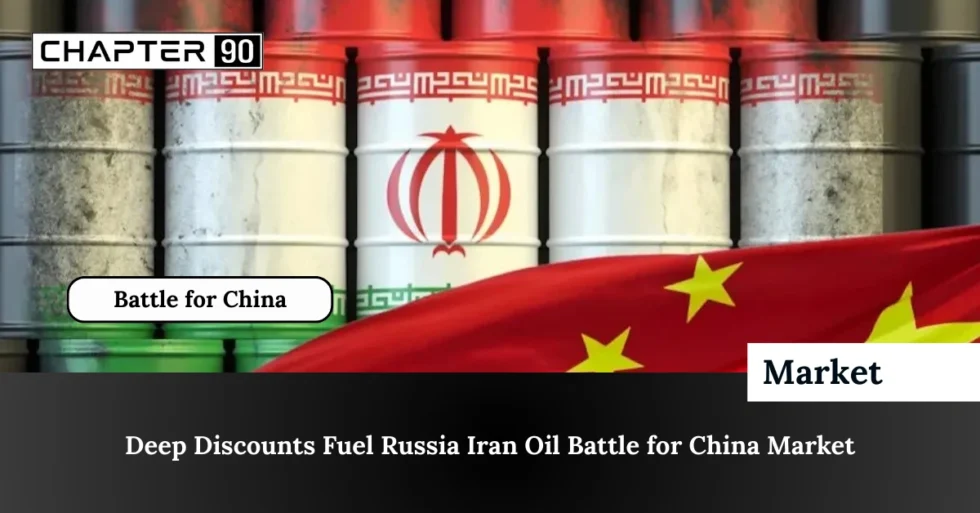
Russia and Iran have sharply cut prices on their crude oil to compete for the limited demand in China’s market. Discounts on Russian Urals and Iranian Light grades have widened significantly, reflecting growing export pressures and competition for buyers in Asia.
Chinese Independent Refiners Dominate Demand
Most of the discounted crude is being bought by China’s independent refiners in Shandong province, known as “teapots,” which are willing to take sanctioned oil that larger state-owned firms generally avoid. These private refineries remain among the few buyers not shunning Russian and Iranian supply.
India’s Reduced Imports Shift the Market
India’s pullback from Russian crude has left Moscow with fewer export outlets, making China the primary destination for its barrels. With India cutting spot purchases amid pressure from the United States and trade shifts, demand for discounted crude has increasingly flowed to Chinese refiners.
Watch Oil Prices Rise as Geopolitics and US-Iran Talks Shape Markets
Urals Crude Discounts Continue to Widen
Russian Urals oil is being sold at about $12 below the benchmark Brent price, a larger discount than seen earlier in the year. Iranian Light is also being offered deeper below Brent, increasing the appeal for cost-sensitive buyers and intensifying competition.
Record Russian Deliveries to China
Russian crude shipments to Chinese ports have risen sharply, reaching record levels in February as crude volumes diverted from other markets are absorbed in Asia. This builds on a trend of growing exports from Russia to China amid shifting global trade patterns.
Iranian Sales to China Lag Behind
While Russia manages to boost deliveries, Iranian crude exports to China have shifted downward compared with a year earlier. Sanctions, challenges, and tightening enforcement have constrained Iran’s capacity to maintain volumes at previous levels.
Floating Storage of Unsold Oil Grows
With demand constrained, both Russian and Iranian oil supplies are piling up in floating storage at sea. Tankers loaded with unsold barrels remain anchored offshore as refiners grapple with limited processing capacity and import quotas.
Price Competition Reflects Supply Glut
The pricing battle between Russia and Iran mirrors a broader global oversupply challenge expected in 2026. The forcing producers to offer steeper discounts in a bid to secure buyers amid shifting demand dynamics.
Limited Absorption Capacity in China
China’s independent refiners, while active buyers, account for a relatively small portion of the nation’s total refining capacity. Government import quotas and shifting refinery priorities with larger state-run facilities mean the market’s ability to absorb discounted oil is finite.
Geopolitical and Economic Factors at Play
Beyond pure economics, geopolitical tensions and sanctions enforcement impact flows and pricing strategies. Russia’s reliance on a shadow fleet to move crude and evolving import policies continue to shape how these key producers access China’s market.