


US Stock Market Drops Amid Weak Jobs Data and Rising Oil Prices
US stocks fell sharply on Friday, with major indexes on track for weekly losses, as surging oil prices and weaker-than-expected employment figures intensified market concerns.
Dow, S&P 500, and Nasdaq Slide
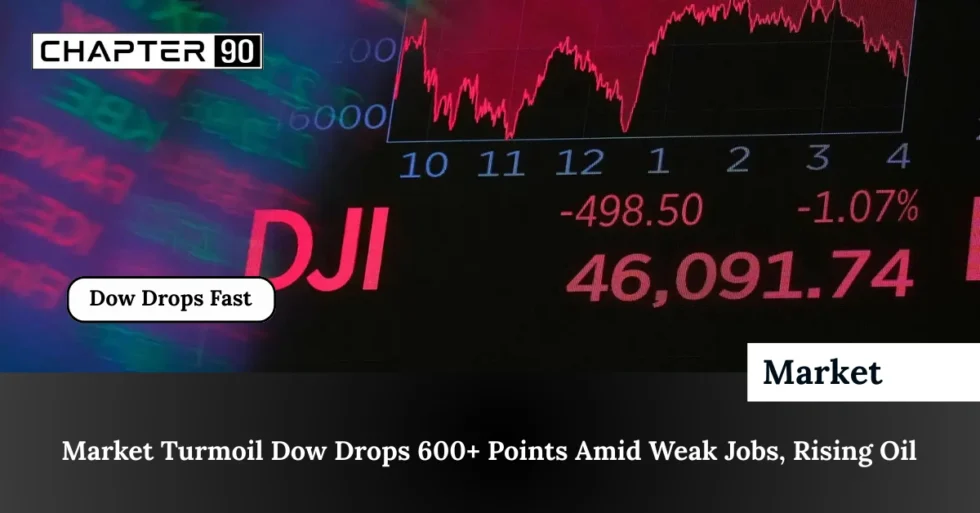
The Dow Jones Industrial Average dropped 684 points, or 1.43%, recovering slightly after an early session loss of nearly 950 points. The S&P 500 fell 1.32%, while the Nasdaq declined 1.2%. Fear on Wall Street escalated, with the VIX volatility index jumping 12%.
Oil Prices Surge to Multi-Year Highs
Oil prices climbed to levels not seen since late 2023. US crude rose 13% to $91.66 per barrel, and Brent crude gained 9.7%, reaching $93.72 per barrel. This week, US and Brent oil prices have surged 36% and 28%, respectively, driven by the conflict with Iran, which has disrupted oil flows through the Strait of Hormuz.
Middle East Tensions Impact Market Sentiment
Investors are increasingly concerned about geopolitical risks. Bob McNally, president of Rapidan Energy Group, described the shift from market complacency to near-panic. President Donald Trump warned that no deal with Iran would be accepted except unconditional surrender, further fueling market uncertainty.
Expert Views on Market Vulnerability
Craig Johnson, chief market technician at Piper Sandler, noted that the stock market is highly sensitive to Middle East turmoil, with the likely direction being downward. Saad al-Kaabi, Qatar’s energy minister, predicted that Gulf energy exporters might shut down production, potentially pushing oil prices even higher and stoking inflation concerns.
Jobs Report Adds to Market Pressure
Friday’s jobs report showed the US economy lost 92,000 jobs in February, with the unemployment rate rising to 4.4%, adding to market anxiety. Analysts cited the combination of energy inflation and weak employment data as a challenging mix for investors.
Analysts Weigh In
Jeff Palma of Cohen & Steers highlighted the difficulty for markets to process both rising oil prices and weak employment simultaneously. David Russell of TradeStation noted that trade uncertainties and stagnant population growth further point to a weaker economic backdrop, increasing market stress.
Treasury Yields and the Fed’s Dilemma
Treasury yields remained relatively stable, with the 10-year yield at 4.13%, up from 3.96% earlier in the week. Experts say the Fed faces a challenging scenario: a weakening labor market may warrant rate cuts, but high oil prices could drive inflation, potentially keeping the central bank cautious.
US Dollar Reacts
The US dollar index moved lower following the weak jobs report, pausing recent gains. Despite this, the dollar has risen 1.4% over the week as investors sought safe-haven assets amid market uncertainty.