


Stock Futures Rise as Oil Eases on Fresh Hope Around Hormuz
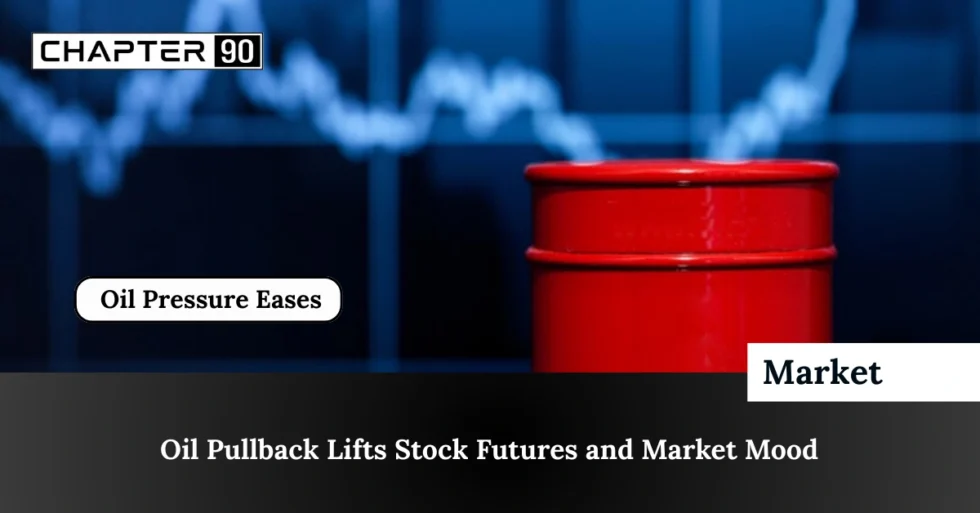
Stock futures moved higher as oil prices pulled back slightly, giving markets a bit of relief after days of heavy tension. Investors have been watching the Strait of Hormuz closely because it remains one of the most important routes for global energy flows. Any sign that supply pressure could ease tends to support stocks and cool some of the panic that has been driving recent market moves.
Oil Remains the Main Driver for Market Mood
Even with the latest dip, oil is still trading above $100 a barrel and remains sharply higher than it was before the conflict escalated. That matters for markets because expensive oil can quickly raise transport costs, lift inflation expectations, and put pressure on company margins. The small pullback helped futures, but the bigger energy risk has not gone away.
Investors Are Looking for Signs of Supply Relief
Market sentiment improved because traders are still hoping that oil flows through Hormuz can stabilize. Officials have been pushing for safer passage through the route, while emergency stockpile releases are also being used to support supply. Those factors helped create a more hopeful tone for futures even though the wider conflict remains unresolved.
Emergency Oil Release Is Supporting Confidence
The coordinated release of more than 400 million barrels from emergency reserves is giving markets some support. The move is designed to reduce supply stress and limit a bigger price shock in crude. For investors, this matters because lower energy pressure can improve the outlook for stocks, bonds, and broader risk appetite.
Stocks Are Trying to Recover From Recent Pressure
Recent trading has been rough as high oil prices and war risk pushed investors away from riskier assets. Major indexes had come under pressure, and futures are now trying to recover some of that lost ground. The rebound in futures suggests markets are still highly sensitive to every change in oil prices and supply headlines.
The Business Outlook Still Depends on Energy Prices
For business readers, the main takeaway is simple. Markets may bounce when oil slips, but the wider outlook still depends on whether energy prices keep climbing or begin to cool. If crude stays elevated, companies could face renewed pressure on costs, inflation could stay sticky, and central banks may have less room to ease policy.
Volatility Is Likely to Stay High
The latest rise in futures does not mean markets are out of danger. Traders are still dealing with war risk, supply disruption, inflation fears, and uncertainty around the next policy response. That means stocks, bonds, and oil could all remain volatile until there is clearer progress on energy flows and regional stability.