


Tencent Gains Ground in China’s Agentic AI Race as Competition Heats Up
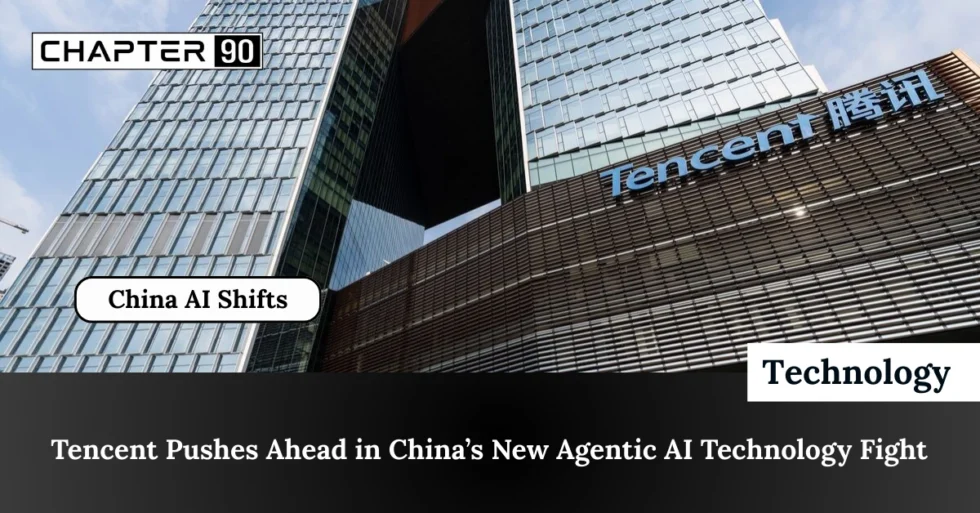
Tencent is building fresh momentum in China’s fast-moving agentic AI market as competition with Alibaba becomes more intense. The focus is shifting beyond simple chatbots toward AI systems that can complete tasks, manage workflows, and act more like digital assistants. That change matters because it pushes the market from model demos toward products people and businesses can use every day.
Agentic AI Is Becoming the Next Big Technology Battle
The latest race is not just about who has the strongest model. It is about who can turn AI into useful products that book services, manage documents, handle research, and complete multi-step actions inside one interface. Rival platforms in China are now being designed around that goal, which makes agentic AI one of the most important new fronts in the country’s technology sector.
Tencent Looks Better Positioned in Consumer Reach
Tencent’s strength comes from its huge consumer ecosystem and its ability to place AI tools where users already spend time. That gives it an edge in distribution and daily engagement, which can matter just as much as model quality. In agentic AI, the winner may not be the company with the flashiest launch, but the one that can get users to rely on its assistant across real tasks and services. This last sentence is an editorial inference based on current platform competition and product direction.
Alibaba Is Still Moving Aggressively
Alibaba is not slowing down. It has launched a new enterprise AI platform designed to coordinate multiple AI agents across business tasks such as document editing, spreadsheet work, meeting transcription, and research. Earlier this year, it also upgraded its consumer AI app so it could carry out actions like ordering food and booking travel directly inside the chat experience.
The Technology Race Is Expanding Beyond Two Companies
The broader market is becoming more crowded as other major firms and startups push similar tools. Newer players have been gaining traction quickly, while established internet groups are under pressure to prove they can still lead the next wave of platform technology. That makes this contest about more than one rivalry. It is turning into a wider fight over who controls the future interface for digital work and everyday tasks.
Why Agentic AI Matters More Than Standard Chatbots
Traditional AI chat tools answer questions. Agentic AI goes further by carrying out tasks across apps and workflows with less user effort. That makes the category more commercially important because it can increase user reliance, create more paid usage, and open the door to deeper integration across work and consumer services. This is also why companies are reorganizing teams and launching new products around the technology.
This Technology Fight Could Reshape China’s AI Market
The bigger issue is what happens if one company turns agentic AI into a daily habit for users. That would strengthen its ecosystem, increase monetization opportunities, and make it harder for rivals to pull users away. For now, the market is still moving fast, but the latest momentum suggests the race is becoming more about product execution than headline model releases. This final point is an editorial inference based on the recent launches and competitive moves.