


US Tech Co Founder Arrested in AI Chip Smuggling Case Linked to China
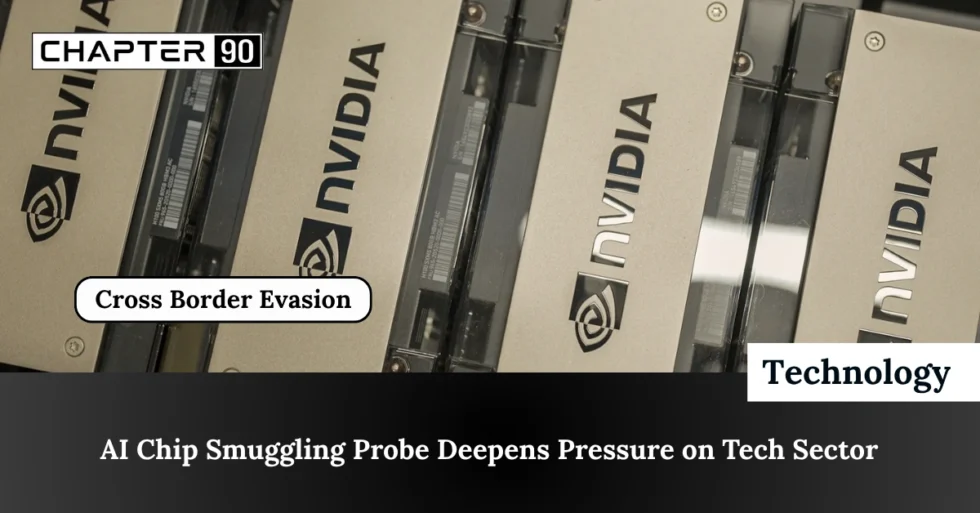
A co-founder of a US-based tech company has been arrested after US prosecutors accused him and two others of helping move advanced AI server technology to China in violation of export controls. The case centers on servers containing high-end Nvidia chips and is already drawing attention across the technology sector because it shows how hard it remains to control the global flow of advanced computing hardware.
The Case Puts AI Hardware Security Back in Focus
Federal prosecutors say the network used Taiwan and parts of Southeast Asia as transit points before the servers were sent on to China. Authorities allege the operation involved at least $2.5 billion in AI technology, with more than $500 million moved in a short period between April and mid May 2025. That scale makes the case one of the most serious AI hardware smuggling matters to surface in recent months.
Advanced Nvidia Chips Remain at the Center of the Dispute
The servers in question were equipped with advanced Nvidia AI chips, which remain highly sensitive because the US has tried to restrict their transfer to China under export control rules first introduced in 2022. These controls are meant to limit Chinese access to powerful hardware that could support advanced AI and military-related uses.
Prosecutors Allege a Hidden Rerouting Scheme
According to the charges, the accused used deceptive steps to reroute the technology and hide the true destination. Prosecutors say the alleged methods included moving servers through third countries, altering packaging, changing serial labels, and using dummy equipment during inspections. Those details matter because they suggest a deliberate effort to get around compliance checks rather than a paperwork mistake.
The Company Is Not Named as a Defendant
The company itself has not been charged in the case. It said it is cooperating with investigators, placed the employees tied to the allegations on leave, and ended its relationship with the outside contractor named by prosecutors. That distinction is important for the technology industry because it shows how legal and compliance risk can still hit a business hard even when the company itself is not formally accused.
The Story Matters Beyond One Arrest
This is not only a criminal case. It is also a technology supply chain story. Advanced AI servers are now some of the most tightly watched products in the world. And any sign that they are reaching restricted markets raises new questions about how effective export enforcement really is. The case also shows why companies handling AI infrastructure now face much more pressure around tracking, compliance, and end-user verification. This is an editorial inference based on the charges and the export control context.
Pressure Is Growing Across the AI Hardware Market
The case arrives at a time when Washington is paying closer attention to how restricted AI chips move across borders. Earlier efforts have included proposals to strengthen tracking and location verification for advanced processors, Which shows that concern over hardware diversion is growing alongside the AI boom.
The Technology Sector Now Faces a Bigger Compliance Test
For technology companies, the bigger issue is practical. Selling advanced systems is no longer only about demand and product performance. It is also about proving where those systems end up and who is actually using them. As AI hardware becomes more valuable, enforcement risk is likely to stay high for vendors, distributors. And infrastructure firms across the supply chain. This is an editorial inference based on the current case and broader enforcement trend.