



AI Becomes a Game-Changer in Business
In 2026, businesses across sectors are rapidly using AI in operations and marketing, creating measurable revenue advantages for early adopters. Artificial Intelligence (AI) is no longer just a futuristic concept, it’s now an essential part of how companies operate and compete. By automating routine tasks, analyzing complex data, and supporting smarter decisions, AI is helping businesses improve efficiency and increase revenue. Organizations that embrace AI are positioning themselves ahead of competitors in today’s fast-changing business landscape.
Streamlining Operations with AI
AI simplifies.




AI Becomes a Game-Changer in Business
In 2026, businesses across sectors are rapidly using AI in operations and marketing, creating measurable revenue advantages for early adopters. Artificial Intelligence (AI) is no longer just a futuristic concept, it’s now an essential part of how companies operate and compete. By automating routine tasks, analyzing complex data, and supporting smarter decisions, AI is helping businesses improve efficiency and increase revenue..
AI Transformation Sparks New Wave of Business Revenue Growth
 AI Becomes a Game-Changer in Business In 2026, businesses across sectors are rapidly using AI in operations and marketing, creating measurable revenue advantages for early adopters. Artificial Intelligence (AI) is no longer just
 US Transformer Demand Gives Astor a Major Business Boost
 Turkish Astor Lands $768.9 Million US Transformer Contracts Turkish transformer maker Astor has secured new supply contracts with US companies worth $768.9 million, giving the group a major boost in one of the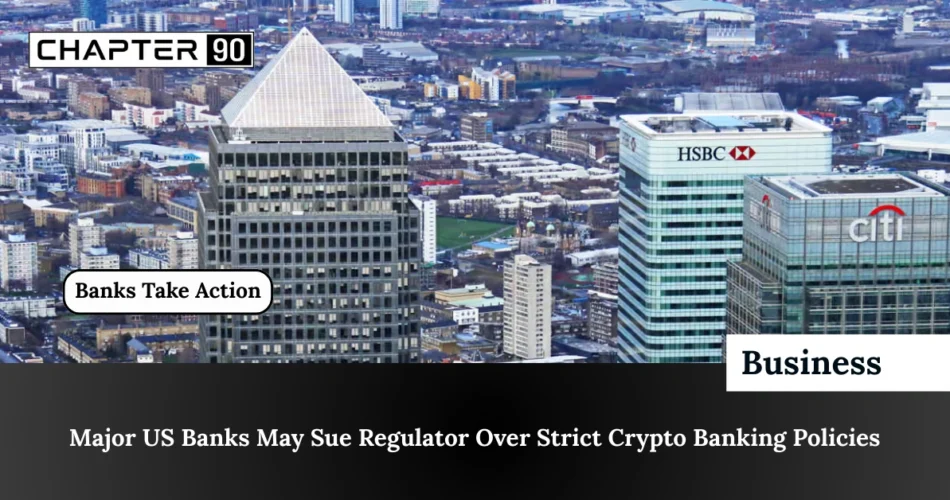
JP Morgan and Goldman Sachs Lead Bank Concerns Over Crypto Rules
Some of the largest banks in the United States are considering legal action against a federal financial regulator over new licensing rules related to cryptocurrency and fintech companies. The debate centers on changes introduced by the Office of the Comptroller of the Currency (OCC), which critics say could allow non-traditional financial firms to operate with.