



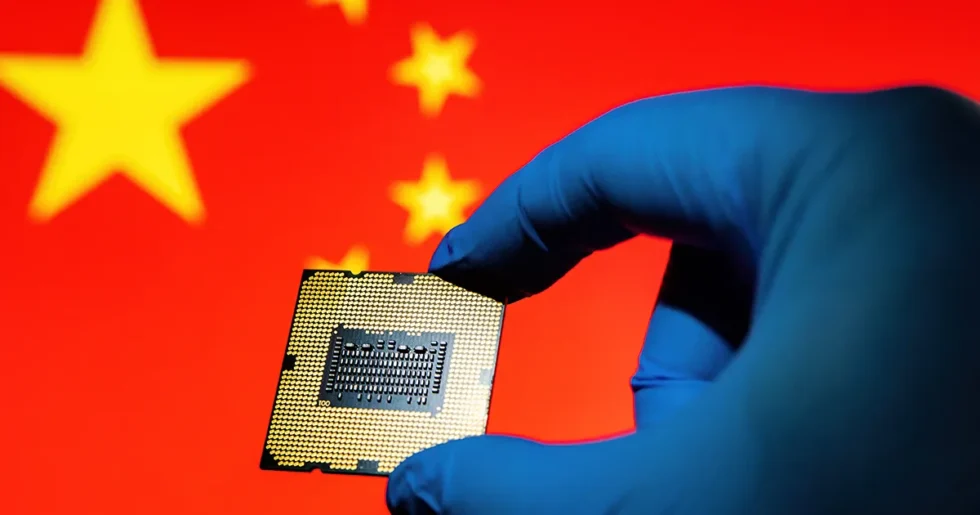
China has signaled growing confidence in its technological ambitions after highlighting major progress in artificial intelligence chip development during a high-profile New Year address. The message underscored the country’s determination to strengthen its domestic semiconductor capabilities amid ongoing global competition and geopolitical pressure.
The focus on AI chips reflects China’s broader strategy to reduce reliance on foreign technology while accelerating innovation in critical sectors. Artificial intelligence has become a central pillar of economic growth, influencing industries ranging from manufacturing and healthcare to finance and defense. By emphasizing advances in chip development, Chinese leadership is reinforcing the importance of technological independence as a national priority.
In recent years, restrictions on access to advanced foreign semiconductors have forced China to accelerate investment in homegrown alternatives. This challenge has reshaped the country’s innovation ecosystem, encouraging closer collaboration between state institutions, research centers, and private technology firms. Progress in AI chip performance is increasingly viewed as evidence that domestic solutions can compete in areas once dominated by global suppliers.
Beyond technology, the message carries economic implications. Advanced chips are essential for boosting productivity, improving automation, and supporting the expansion of data-driven industries. Stronger domestic capabilities could help stabilize supply chains, reduce vulnerabilities, and support long-term economic resilience. As AI adoption grows, access to reliable hardware is becoming as important as software development itself.
The emphasis on technological achievement also serves a symbolic role. Highlighting innovation successes helps build confidence among investors, businesses, and the public at a time when economic headwinds persist. It sends a signal that strategic sectors remain on track despite external pressures and shifting global trade dynamics.
Internationally, China’s progress in AI chips is being closely watched. Advances in this field could influence global technology competition, reshape supply chains, and alter the balance of innovation leadership. As countries increasingly view technology through the lens of national security and economic sovereignty, developments in AI hardware take on added significance.
In conclusion, China’s celebration of AI chip advancements reflects more than technological pride. It signals a long-term commitment to self-reliance, innovation, and economic transformation. As artificial intelligence continues to shape the global economy, progress in chip development may play a defining role in determining future competitiveness and technological influence.