


BRICS Currency Ambitions and Strategic Goals
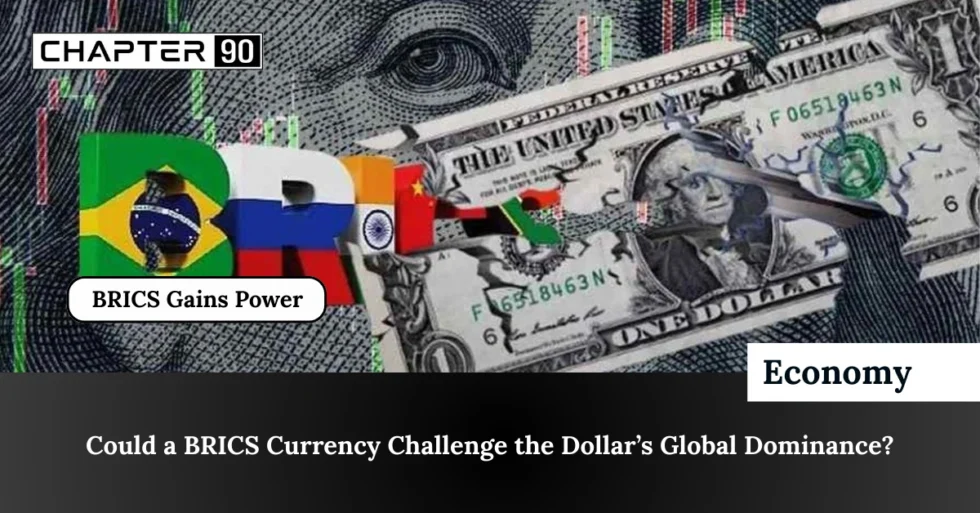
BRICS nations Brazil, Russia, India, China, and South Africa, now expanded to include additional members, have been exploring the creation of a shared reserve currency to reduce dependence on the US dollar. Proposals have included a unit backed by a basket of member currencies, and even discussions around a gold-linked “Unit.” The broader objective is to strengthen financial sovereignty, deepen intra-bloc trade and reduce exposure to Western-led financial systems. While enthusiasm varies among members, the idea reflects growing interest in reshaping global monetary power dynamics.
De-Dollarization and Global Trade Shifts
The US dollar remains the dominant force in global finance, accounting for the majority of foreign exchange transactions and international trade invoicing. However, cracks in that dominance are increasingly discussed. A rising share of oil trades is now conducted in non-dollar currencies, and some countries are expanding bilateral trade in local currencies. Central to this shift are geopolitical tensions, including US sanctions on Russia and trade frictions with China. A viable BRICS reserve currency could, in theory, reduce global demand for dollars and accelerate what is often described as “de-dollarization.”
See Why the Dollar Slid After Trump’s Remarks
Internal Divisions and Practical Barriers
Despite bold rhetoric at past summits, consensus within BRICS remains limited. Russia and Iran have been among the strongest advocates for a unified currency, particularly as a hedge against sanctions. Meanwhile, countries like India have expressed caution, emphasizing the stabilizing role of the dollar in global markets. Economic differences among members, concerns about overreliance on China’s yuan, and the sheer complexity of building a trusted reserve currency present formidable obstacles. As a result, timelines for any launch remain unclear and likely long-term.
Digital Payments and Blockchain Alternatives
Rather than replacing the dollar outright, many BRICS discussions have shifted toward creating an alternative payment infrastructure. A proposed blockchain-based platform often referred to as BRICS Bridge aims to facilitate cross-border settlements using central bank digital currencies. This system would provide an alternative to the US dollar-dominated SWIFT network and reduce vulnerability to financial sanctions. While still under development, these digital initiatives suggest the bloc may prioritize payment interoperability over a fully unified currency in the near future.
US Response and Tariff Pressures
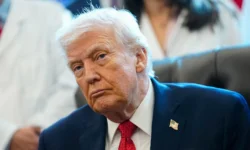
US political leaders, including President Donald Trump, have taken a firm stance against efforts to challenge dollar supremacy. Threats of steep tariffs on BRICS-aligned countries underscore Washington’s determination to defend the dollar’s global role. Analysts warn that aggressive tariff policies could slow global growth and increase inflationary pressures, potentially pushing some countries closer together economically. However, experts from institutions such as the Atlantic Council and the Peterson Institute argue that the dollar’s entrenched advantages in liquidity, trust and deep capital markets make it unlikely to be displaced in the near future.
What It Means for Investors
For investors, the emergence of a BRICS currency remains a long-term possibility rather than an immediate market disruption. The dollar continues to dominate foreign reserves and currency trading, and no clear alternative has yet demonstrated comparable stability or scale. Still, diversification trends, expanding digital currency experiments and geopolitical realignments are worth monitoring. If a credible alternative system gains traction, it could gradually reshape trade flows, reserve allocations and currency markets though any transformation is expected to unfold over years, not overnight.
Explore Global Economy Shifts and Understand What Moves Markets