


Stock Market Wobbles as Iran War Keeps Investors on Edge
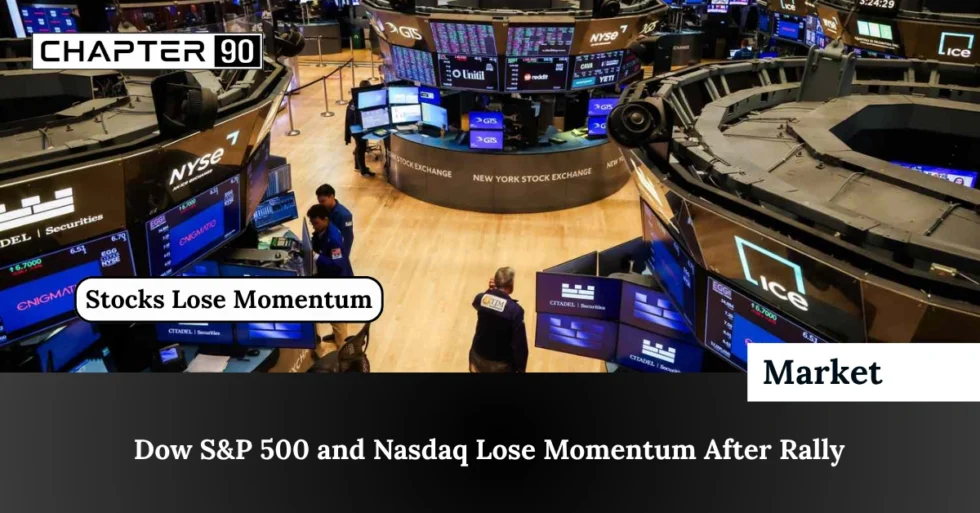
US stocks struggled to hold their recent rebound as the Iran war kept pressure on sentiment, and oil prices stayed elevated. On Tuesday, the Dow rose about 0.3%, the S&P 500 was little changed, and the Nasdaq slipped about 0.3%, showing a market that is not collapsing but still lacks conviction after Monday’s relief rally.
Oil Prices Remain the Biggest Market Problem
The biggest issue for investors is still oil. Reuters said US crude rose 3.63% to about $91.33 a barrel and Brent climbed to about $98.54, while AP later reported Brent near $102.71 and US crude near $91.68 as traders kept pricing in supply risk around the Strait of Hormuz. Higher energy prices matter because they increase inflation pressure and can hit company margins across the market.
Monday’s Rally Has Already Lost Some Momentum
The market had rallied strongly on Monday after hopes of de-escalation grew. AP said the S&P 500 rose 1.1%, the Dow gained 1.4%, and the Nasdaq added 1.4% after Trump said the US would pause planned strikes on Iranian targets for five days. But that optimism faded quickly as Iran denied active talks, which brought uncertainty back into focus.
Tech Shares Are Feeling More Pressure
The wobble has been most visible in technology and communication names. Reuters said those sectors led declines on Tuesday and helped pull the Nasdaq lower even as energy and financial stocks gave some support to the broader market. That split shows investors are rotating rather than moving with a single clear view.
Interest Rate Fears Are Adding to the Stress
Markets are also dealing with a tougher rate outlook. Reuters reported that investors are adjusting to the idea of no rate cuts this year after the Federal Reserve signalled only one cut in 2026, and oil driven inflation risks kept growing. Rising Treasury yields added more pressure, with the 10-year yield around 4.37%.
Business Activity Is Showing Signs of Strain
The economic backdrop is becoming less comfortable as well. Reuters reported that US business activity slipped to an 11-month low in March, with the composite PMI output index falling to 51.4 as higher energy prices and war uncertainty pushed costs higher. Private sector employment also fell for the first time in over a year.
The Market Is Stable but Not Comfortable
US shares have held up better than some overseas markets so far, but Reuters said the S&P 500 is still down about 4% since the conflict began. That relative strength partly reflects the US economy’s services base, its large tech sector, and greater energy independence, but strategists still warn that prolonged war could hit valuations and growth more seriously.
Volatility Is Likely to Stay High
For now, the market looks stuck between relief and fear. The rally on talk of diplomacy showed investors want a reason to buy, but the quick wobble afterwards shows they still do not trust the outlook. As long as oil stays high and the war drags on, stocks are likely to remain jumpy.