



The world’s major central banks are delivering their most aggressive monetary easing cycle in more than ten years, marking a decisive shift in global economic policy. After years of fighting inflation with higher interest rates, policymakers are now moving in the opposite direction as growth slows and financial pressures build across regions.
Central banks in the United States, Europe, and parts of Asia have begun cutting interest rates or signaling that reductions are imminent. The coordinated nature of the shift is striking. Unlike previous cycles driven by regional crises, this easing wave reflects shared concerns about weakening demand, slowing investment, and the risk of prolonged economic stagnation.
Inflation, while still present in some economies, has eased enough to give policymakers room to act. Supply-chain pressures have largely normalized, energy prices have stabilized compared to previous years, and wage growth has cooled in several major markets. These developments have reduced the urgency for restrictive policy, allowing central banks to refocus on supporting growth.
Europe has been a key driver of the easing push. Several economies are facing near-zero growth, fragile consumer confidence, and pressure from high borrowing costs. Central banks see rate cuts as necessary to prevent deeper slowdowns and to encourage lending and investment. In emerging markets, easing is also gaining momentum as countries seek to support domestic demand while managing currency risks.
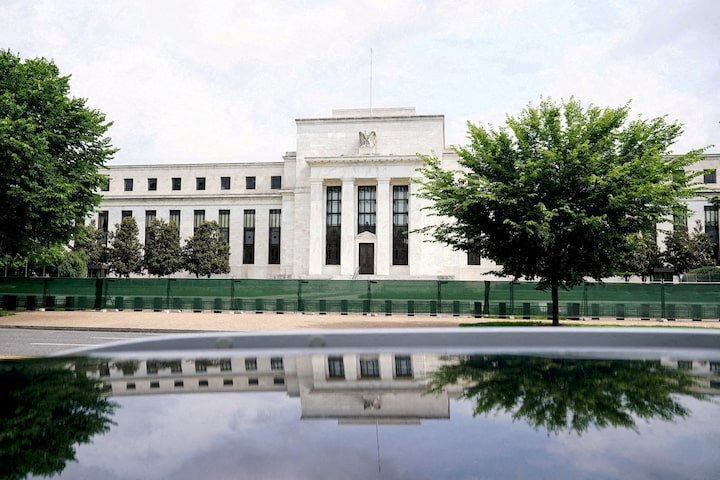
The U.S. Federal Reserve has taken a more cautious tone, but expectations of rate cuts have strengthened as economic data shows moderation in inflation and signs of cooling in the labor market. While policymakers remain wary of cutting too quickly, markets increasingly believe the tightening phase is firmly over.
The global easing cycle has already had significant market effects. Bond yields have declined, stock markets have rallied in anticipation of cheaper borrowing, and currencies have adjusted as interest-rate differentials narrow. Investors are repositioning portfolios to reflect a lower-rate environment, favoring risk assets and longer-duration investments.
However, central banks face a delicate balancing act. Cutting rates too aggressively could reignite inflation or fuel asset bubbles, while moving too slowly risks allowing weak growth to harden into recession. Policymakers have emphasized that future decisions will remain data-dependent rather than pre-set.
This easing push also highlights how interconnected global economies have become. When major central banks move in the same direction, the impact ripples across trade, capital flows, and financial markets worldwide.
Ultimately, the shift marks the end of an era defined by relentless tightening. The world is entering a new phase where growth support has replaced inflation control as the dominant policy priority. Whether this easing cycle succeeds in stabilizing economies without creating new imbalances will shape global financial conditions for years to come.