


Iran Conflict Keeps Global Economy on Edge as Oil Risk Grows
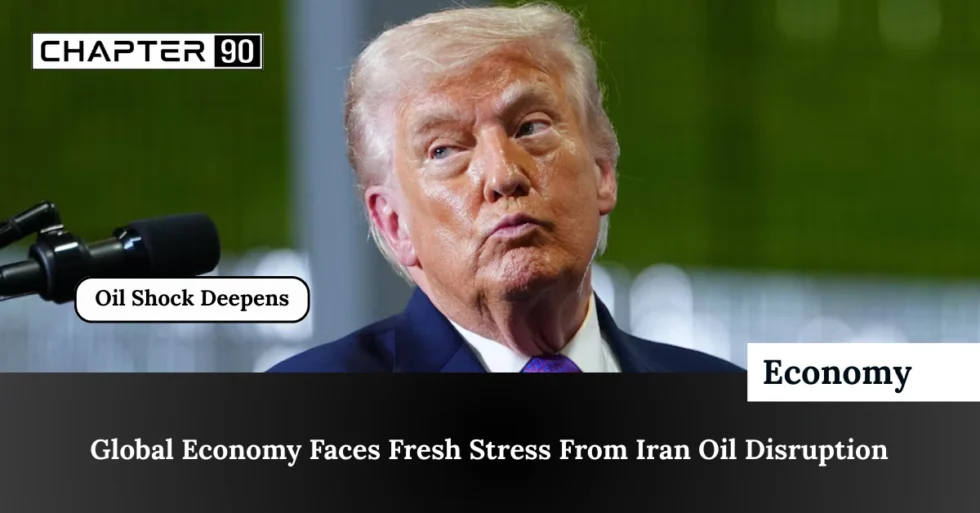
The economic impact of the Iran conflict is becoming harder to ignore as oil prices stay elevated and market nerves remain fragile. Brent crude has moved above $105 a barrel, while traders continue to watch the Strait of Hormuz, a route that normally handles about one-fifth of global oil and gas flows. That matters because higher energy costs can quickly spread into transport, manufacturing, inflation, and consumer prices across many economies.
Oil Prices Are Driving the Biggest Economic Risk
The clearest economic threat right now is energy. Supply disruption in the Gulf has already pushed crude sharply higher, and that creates fresh pressure for businesses that depend on fuel, shipping, and imported goods. Expensive oil also raises the risk that inflation could stay higher for longer, which would make life harder for central banks trying to support growth.
Markets Are Watching Hormuz More Than Anything Else
The Strait of Hormuz has become the main pressure point for the global economy. If flows through that route remain blocked or unstable, oil prices could stay high even with emergency measures in place. Traders are still hoping for safer passage and some improvement in supply conditions, but the market remains highly sensitive to every update connected to the route.
Emergency Oil Releases May Limit the Damage
Governments are trying to reduce the shock through emergency stockpile releases. The International Energy Agency said more than 400 million barrels will be released, with Asia and Oceania receiving supply first and Europe and the Americas following later this month. This may help calm the market, but the scale of the disruption means the relief could be limited if the conflict drags on.
Businesses Face Higher Costs Across Sectors
This is no longer only an energy story. Higher crude prices can lift freight bills, squeeze margins for airlines and manufacturers, and add new cost pressure across supply chains. Even if the damage remains more concentrated in energy than in the wider trade system, the effect on corporate costs and consumer budgets is already becoming a serious economic issue.
Growth Risks Are Starting to Build
The longer oil stays high, the greater the risk to global growth. Goldman Sachs said the shock could cut global GDP growth by about 0.3 percentage points and add around 0.5 to 0.6 percentage points to headline inflation. That would leave policymakers dealing with a tougher mix of slower expansion and renewed price pressure.
Energy Firms Gain While the Wider Economy Feels Strain
One part of the market has already benefited. Shares of major oil companies have surged as higher crude prices improved profit expectations, but that strength does not remove the wider economic pain. When oil producers gain from war-driven prices, households, transport-heavy businesses, and inflation-sensitive sectors often pay the cost instead.
The Economic Outlook Depends on How Long the Crisis Lasts
For now, the economy is caught between temporary support measures and a still serious supply threat. If oil flows improve and prices cool, some of the pressure may ease. If the crisis continues and infrastructure damage spreads, the world economy could face a longer period of higher inflation, weaker demand, and more volatile markets.