


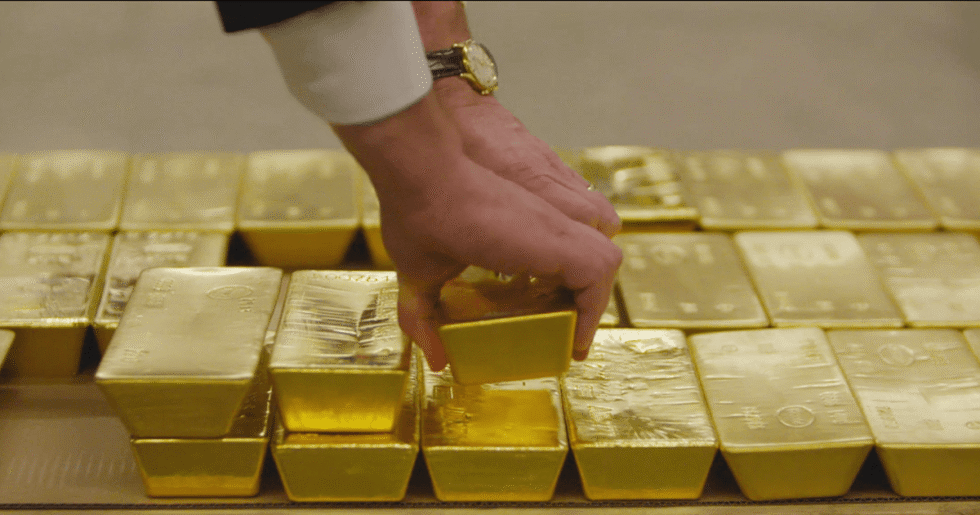
Gold prices have surged to a historic high of $5,000, marking a major milestone for the precious metal and signaling a shift in global investor behavior. The rally reflects growing demand for safe-haven assets as uncertainty builds across financial markets, currencies, and geopolitical conditions.
From an analysis perspective, the move highlights rising concern over inflation persistence, fiscal risk, and confidence in traditional financial systems. As real returns in some asset classes remain pressured, investors are increasingly turning to gold as a store of value rather than a speculative trade. The psychological impact of crossing the $5,000 level has further reinforced momentum.
Another key driver behind the surge is central bank accumulation. Many countries continue to diversify reserves away from major currencies, adding steady structural demand to the market. At the same time, geopolitical tensions and uneven global growth have increased hedging activity among institutional investors.
Currency dynamics are also playing a role. Periods of dollar weakness often amplify gold’s appeal, making it more attractive globally. Combined with expectations of future policy shifts, this has strengthened gold’s position within diversified portfolios.
However, the rally raises questions about sustainability. Sharp gains can invite profit-taking, and any easing of macroeconomic stress could slow momentum. Still, from a broader market view, gold’s rise reflects long-term positioning rather than short-term panic.
For investors, the message is clear: trust is being redistributed. Gold’s record price suggests that uncertainty is no longer episodic — it is becoming structural. Whether prices stabilize or push higher, the metal has reasserted its role as a cornerstone asset during periods of global recalibration.