



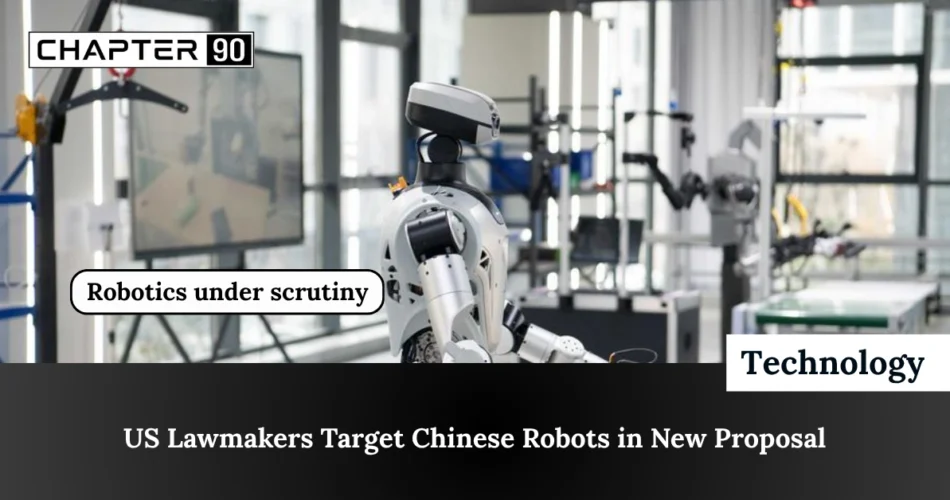
US Lawmakers Propose Restrictions on Chinese Robots
Some lawmakers in the United States are pushing a proposal to ban the use of Chinese-made humanoid robots within government operations. The move reflects rising concerns about technology security and foreign dependence.
Focus on Chinese Tech Advancements
The proposal comes as China continues to make rapid progress in robotics and artificial intelligence. These advancements are drawing global attention and raising questions about competitiveness and strategic influence.
Security and Data Concerns Drive Debate
Supporters of the proposal argue that using.



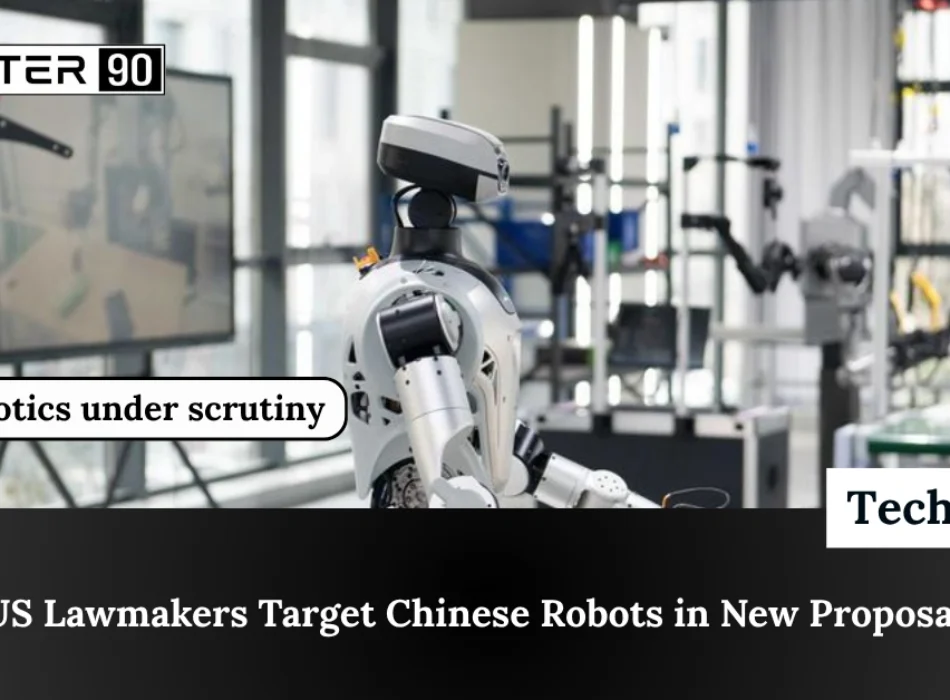
US Lawmakers Propose Restrictions on Chinese Robots
Some lawmakers in the.
US Lawmakers Target Chinese Robots in New Proposal
 US Lawmakers Propose Restrictions on Chinese Robots Some lawmakers in the United States are pushing a proposal to ban the use of Chinese-made humanoid robots within government operations. The move reflects rising concerns
 AI Chip Smuggling Probe Deepens Pressure on Tech Sector
 US Tech Co Founder Arrested in AI Chip Smuggling Case Linked to China A co-founder of a US-based tech company has been arrested after US prosecutors accused him and two others of helping
NVIDIA Halts Production of H200 Chips Amid Regulatory Challenges
NVIDIA has reportedly stopped producing its H200 chips designed for the Chinese market, according to a report from the Financial Times. The move comes as tightening regulatory restrictions from both Washington and Beijing continue to limit technology exports and imports. These policies have made it increasingly difficult for US chipmakers to supply advanced artificial intelligence hardware to China,.