



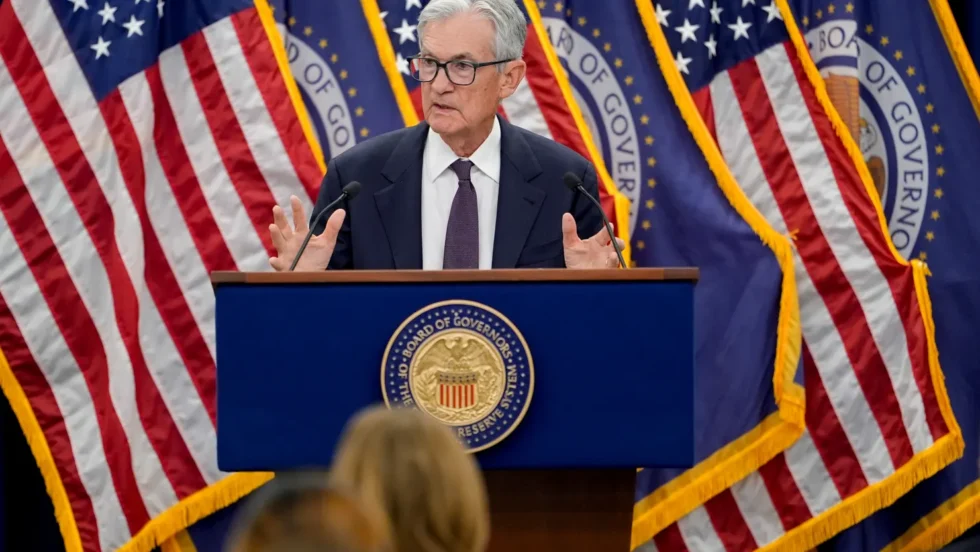
Federal Reserve Holds Interest Rates Steady After Recent Cuts
Following a review of a slightly lower unemployment rate, slower hiring trends, and modest inflation increases in December, the Federal Reserve announced on Wednesday that it will keep its key overnight lending rate unchanged.
This decision follows the Fed’s three rate cuts last year, bringing the total number of reductions to six since September 2022.
Because the Fed’s benchmark rate directly or indirectly impacts borrowing and saving rates across the United States, this pause will influence how much consumers earn on savings and how much they pay on loans.
Financial experts say the best response depends on whether your savings are earning competitive returns and whether your debts carry the lowest possible interest rates based on your credit profile.
Below is an overview of where things stand this week.
How the Rate Pause Affects Your Savings
For people looking to grow their money safely while staying ahead of inflation, several options remain available. When choosing, it’s important to consider taxes and how quickly you may need access to your funds.
Online High-Yield Savings Accounts Remain Strong
Online high-yield savings accounts continue to offer some of the best returns for cash that may be needed in the near future, such as emergency funds, travel expenses, or a home down payment.
As of Wednesday, some accounts are still offering rates above 4%, while many others fall between 3.65% and 3.99%, according to Bankrate.
Ken Tumin, co-founder of DepositQuest.com, reported that the top rates this week range between 4.25% and 4.60%. However, average yields among major providers like Ally, Marcus, and Capital One have declined since rate cuts began in September 2024.
Interest earned on these accounts is generally subject to federal, state, and local income taxes.
Certificates of Deposit Offer Predictable Returns
Certificates of deposit (CDs) remain a stable option for money you do not need immediately. Investors can purchase brokered CDs through a brokerage platform or directly from banks.
Currently, CDs ranging from three months to five years are paying between 3.75% and 4.05% on Schwab.com.
Traditional 12-month CDs offered directly by banks may provide slightly higher yields, around 4.00% to 4.20% APY.
Some no-penalty CDs also remain available, offering flexibility without early withdrawal fees. Interest earned on CDs is taxable at all income levels.
Money Market Funds and Deposit Accounts
Money market mutual funds averaged a 7-day yield of about 3.50% this week, according to Crane Data.
Banks also offer money market deposit accounts, which are FDIC-insured but may require higher minimum balances.
The best online offerings currently range between 3.25% and 4.10%. Earnings from these accounts are subject to taxes at the federal, state, and local levels.
US Treasury Bonds Remain a Safe Choice
US Treasuries are backed by the federal government and are considered one of the safest investment options available. They also offer strong liquidity since they can be sold before maturity if needed.
Treasuries with durations from three months to five years were yielding between 3.57% and 3.86% on Wednesday.
Treasury interest is exempt from state and local income taxes, though capital gains from selling early may still be taxable.
Municipal Bonds Provide Tax Advantages
Municipal bonds can be a good option for investors seeking tax-free income, especially those living in high-tax states.
Investment-grade munis typically offer income exempt from federal tax, and sometimes from state and local taxes as well.
AAA-rated municipal bonds were yielding between 2.12% and 2.79% this week.
What This Means for Your Debts
The Fed’s earlier rate cuts over the past 16 months helped reduce borrowing costs slightly, but that downward trend is now paused.
TransUnion research suggests borrowing costs will likely remain stable for the near future, though consumers may still find opportunities to reduce high-interest burdens.
Credit Card Rates Remain Extremely High
Despite Fed cuts totaling 1.75 percentage points since September 2024, average credit card interest rates have fallen only slightly.
As of Wednesday, the average credit card APR was 19.61%, while new credit cards averaged an even higher 23.79%, according to Lending Tree.
Experts recommend considering zero-interest balance transfer cards or negotiating directly with card issuers to reduce rates.
Mortgage Rates Have Improved but May Stay Elevated
Mortgage borrowing has become somewhat cheaper. The average 30-year fixed mortgage rate stood at 6.09% as of January 22, down significantly from nearly 7% a year ago, according to Freddie Mac.
However, analysts say rates may not drop much further unless long-term Treasury yields decline. Persistent inflation concerns and federal deficit issues could keep mortgage rates higher than historical lows.
Home Equity Loans Still Require Caution
Home equity borrowing costs have declined, with HELOC rates averaging 7.44%, the lowest in three years.
Fixed home equity loans averaged 7.92% for five-year terms and 8.10% for 10-year terms. While improved, these rates remain far above the historic lows seen in 2022.
Auto Loan Costs Continue to Pressure Consumers
Vehicle financing remains expensive. In December, new cars averaged nearly $49,500, while used cars averaged around $26,000, according to Edmunds.
New car loan APRs averaged 6.5%, while used car loans remained much higher at 10.5%.
Monthly payments have reached record highs: $781 for new vehicles and $568 for used ones.
Experts advise shoppers to focus less on model-year labels and more on choosing vehicles that fit long-term financial needs.
Final Takeaway: Adjust Your Strategy Carefully
With the Fed holding rates steady, consumers should ensure their savings are earning competitive yields and explore ways to reduce costly debt. While borrowing costs may not fall further soon, smart financial planning can help households make the most of the current environment.