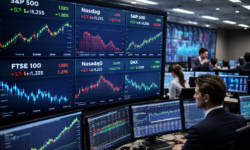



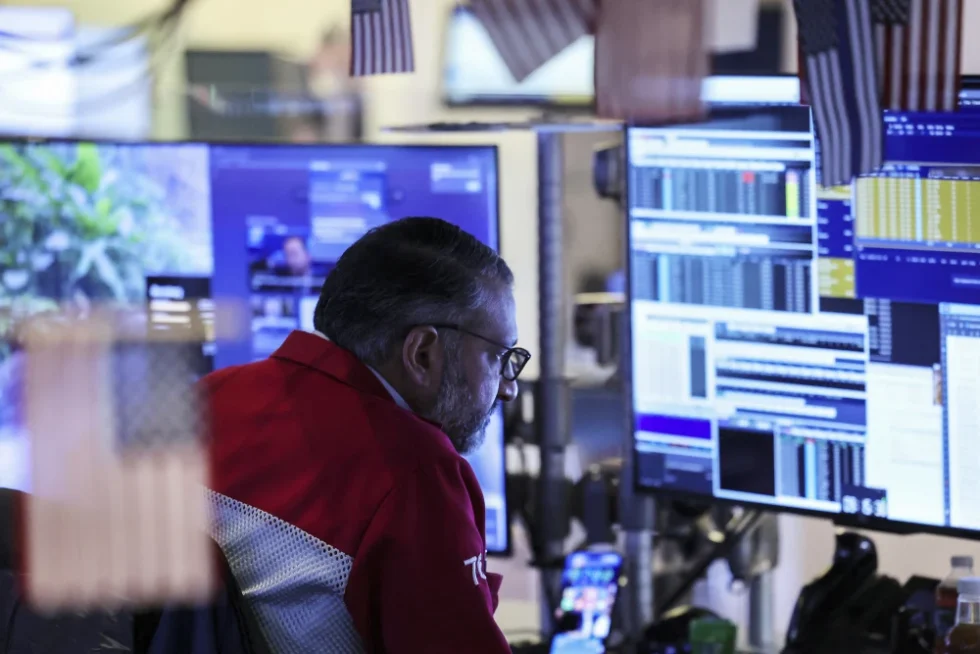
Financial markets don’t react only to numbers they react to mood. When the idea of a renewed trade conflict enters the conversation, it triggers an immediate psychological response. That response was on full display as global markets moved sharply lower following fresh signals that trade tensions could once again define economic relationships.
From a human-behaviour perspective, this kind of sell-off is less about confirmed damage and more about remembered pain. Investors have lived through trade wars before. They remember supply chain disruptions, policy uncertainty, and sudden shifts in corporate outlooks. When similar signals reappear, the instinct is defensive. People step back before asking questions.
Markets are particularly sensitive to trade rhetoric because it introduces unpredictability. Unlike interest rate decisions or earnings reports, trade disputes are difficult to model. They depend on negotiation, personality, and political timing. Humans struggle with uncertainty more than bad news, and markets reflect that discomfort quickly.
The reaction also highlights how fragile confidence can be. Risk appetite often builds slowly but disappears fast. When traders sense that economic rules may change again, they reduce exposure, lock in profits, and move toward perceived safety. This behavior isn’t irrational it’s protective.
Another layer is global interconnectedness. Trade disputes rarely stay local. Investors understand that tariffs and retaliation ripple across borders, affecting currencies, commodities, manufacturing, and consumer prices. Even the suggestion of escalation is enough to shake sentiment because no market feels isolated anymore.
What’s notable is how fast markets respond to narrative shifts. Price action often precedes confirmation. Traders act first and analyze later. This pattern is deeply human it prioritizes survival over precision. In moments of uncertainty, avoiding loss feels more important than capturing opportunity.
There’s also an emotional fatigue factor at play. Markets have already navigated inflation, tightening financial conditions, and geopolitical strain. The return of trade conflict feels like reopening a chapter many hoped was closed. That emotional weight amplifies reactions.
Still, these moves don’t necessarily signal long-term collapse. They signal reassessment. Markets are recalibrating expectations, not rewriting outcomes. If tensions ease, confidence can return just as quickly as it faded. If they intensify, caution may deepen.
Ultimately, what this moment reveals is not panic, but sensitivity. Markets are alert, reactive, and shaped by memory. When familiar threats resurface, even in new forms, behavior follows well-worn psychological paths.
In finance, perception often leads reality. And right now, perception is whispering a familiar warning: uncertainty has returned, and trust will need time and clarity to recover.