


U.S. Energy Secretary Announces Major Investments in Venezuelan Oil Sector
US Energy Secretary Chris Wright toured Venezuela’s Orinoco Belt alongside acting President Delcy Rodríguez, signaling closer energy ties between the two countries. During the visit, Wright said the country could see a dramatic rise in oil gas, and electricity output this year.
Over $100 Million Investment in Chevron Facility
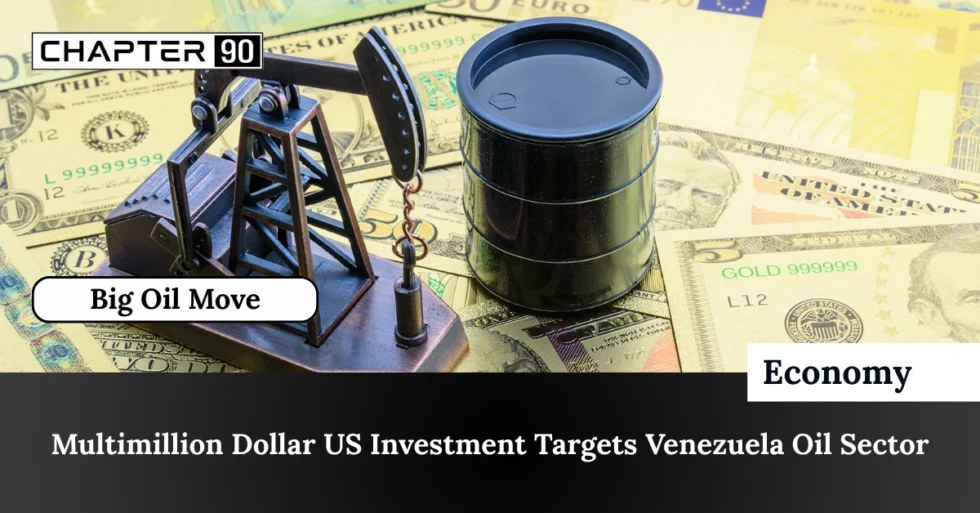
While at the Petropiar processing plant, operated by Chevron and state oil company PDVSA, Wright announced more than $100 million in upgrades. He said production in that specific field could double within 12 to 18 months and potentially increase fivefold over the next five years.
Push for Economic Thaw and Stronger US Presence
Wright described his mission as part of a broader effort to ease economic tensions and expand US involvement in Venezuela’s energy sector. He emphasized both economic cooperation and the wider political implications of renewed engagement.
Focus on Orinoco Joint Ventures
The delegation visited operations run by Petroindependencia and Petropiar, joint ventures between Chevron and PDVSA in southeastern Venezuela. The Orinoco Belt holds the world’s largest reserves of extra-heavy crude, making it central to any recovery strategy.
Venezuela’s Long Decline in Oil Production
In the late 1990s, Venezuela produced about three million barrels of oil per day and ranked among the top global exporters. Production steadily declined during the Hugo Chávez era amid policy shifts and corruption concerns. After more than a decade under Nicolás Maduro, output now hovers near one million barrels per day.
Rebuilding Will Take Time and Capital
Experts say restoring production to former levels will require billions of dollars and sustained effort over many years. The scale of infrastructure deterioration means that recovery may be slower than current projections suggest.
New Licenses Could Lift Output Modestly
Recent agreements and new licenses granted to international firms may push production to around 1.3 million barrels per day by year’s end, according to economist Orlando Ochoa. However, he cautioned that an increase of more than 300,000 barrels per day this year is unrealistic.
Two-Year Outlook for Production Growth
Ochoa estimates that, under ideal conditions, output could rise by roughly 500,000 barrels per day within two years if investment plans from Chevron, Maurel and Prom, Repsol, and PDVSA move forward smoothly.
Geopolitical Strategy Behind Engagement
Energy analyst Rafael Quirós said the US agenda carries a strong geopolitical dimension. He believes Washington aims to expand its presence in Venezuelan oil fields while limiting the influence of China, Russia, and Iran in the country’s energy and political landscape.
Government Promotes Win-Win Narrative
Venezuelan state media has framed the agreements as mutually beneficial, highlighting potential gains in tax revenue and production. Officials have emphasized the historic relationship between the two nations.
Political Reform Seen as Key to Long-Term Growth
Despite the optimism, analysts argue that meaningful economic recovery will require political change and reintegration into the international financial system. Investments may provide momentum, but broader reforms are viewed as essential for sustainable growth.
Discover the latest stories and trends at Chapter Ninety – Visit Now!