


Tech Stocks Lose Grip as Market Leadership Shifts
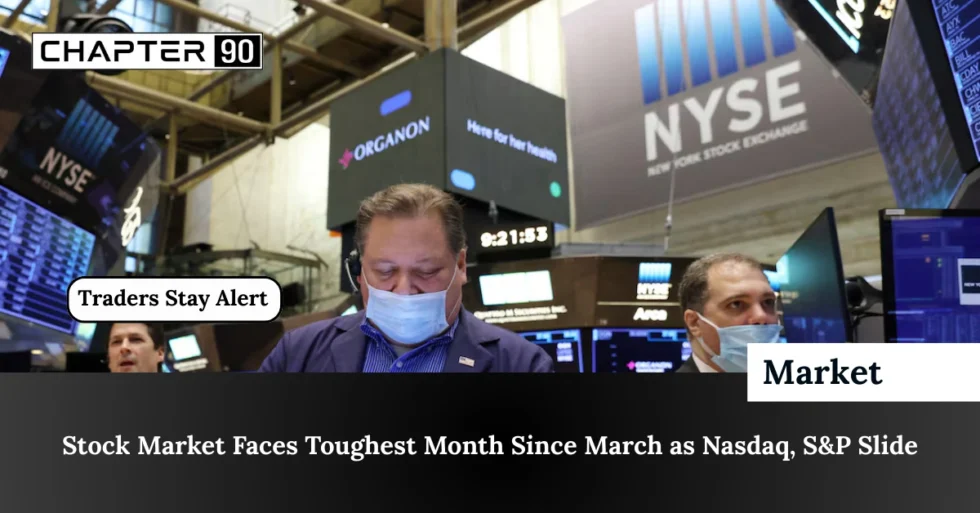
Technology shares are no longer lifting the market the way they did in recent years. After powering gains on the promise of AI-driven productivity, tech stocks have cooled. It has been four months since the Nasdaq Composite reached a record high, while the S&P 500 is flat this year and heading toward its weakest month since March.
Dow Outperforms as Rotation Gains Pace
In contrast, the Dow Jones Industrial Average, which has less exposure to technology, is up 1.5% this year. The shift reflects a broader rotation on Wall Street as investors reassess heavy bets on AI and high-growth tech companies.
AI Trade Faces Growing Doubts
NVIDIA, long seen as the face of the AI boom, posted strong quarterly results but still suffered its worst daily drop since April. Investors remain uneasy about whether massive spending on data centers and AI infrastructure will deliver strong returns. Concerns that AI could disrupt traditional software business models have also weighed on sentiment.
Market Volatility Picks Up
US stocks fell sharply on Friday, with the Dow dropping more than 700 points. The S&P 500 and Nasdaq also declined, while the VIX volatility index jumped 15%. The swings highlight how fragile confidence has become, especially in sectors tied closely to AI.
See Why the S&P 500 Dropped After Nvidia Earnings
Heavy Tech Exposure Raises Risk
Mega-cap tech companies such as Nvidia, Microsoft, and Alphabet account for nearly 40% of the S&P 500’s total value. Financial advisors warn that many investors may be more exposed to technology than they realize. Reviewing allocations during volatile periods can help reduce unintended concentration risk.
Portfolio Rebalancing Underway
Some portfolio managers are trimming their tech exposure. Jon Ulin of Ulin & Co Wealth Management said he is shifting investments toward sectors such as materials, energy, infrastructure, industrials, health care, and consumer staples. Similarly, Piper Sandler’s Craig Johnson recently downgraded technology to neutral, favouring areas like energy instead.
Energy and Defensive Sectors Lead
So far this year, energy, materials, and consumer staples have been the strongest performers within the S&P 500. An energy-focused exchange-traded fund has surged 23%, while a comparable tech fund has slipped. The rotation suggests investors are seeking more stable areas of the market.
Diversification as a Defense Strategy
Analysts emphasize diversification as the most reliable protection against volatility. A balanced portfolio across multiple sectors can reduce the impact of sudden swings in one area. Market focus has been shifting quickly, reinforcing the need for broader exposure.
Equal Weight Strategy Gains Attention
Another approach is investing in an equal-weighted S&P 500 index, where each company carries the same influence. This reduces reliance on mega-cap tech stocks. The equal-weighted version has climbed nearly 7% this year, outperforming the traditional index.
Looking Beyond US Markets
Expanding exposure internationally may also strengthen returns. European and Asian markets have outpaced US equities this year after solid gains in 2025. Global diversification can provide additional balance during periods of domestic uncertainty.
Stay Focused on Long-Term Goals
While short term volatility can be unsettling, analysts advise sticking to long term plans. Timing market swings is difficult, and sentiment may remain fragile in the near term. However, many strategists still expect 2026 to deliver positive results for investors who remain patient and diversified.