


Trump Approval Falls as Fuel Prices and War Pressure Hit the Economy
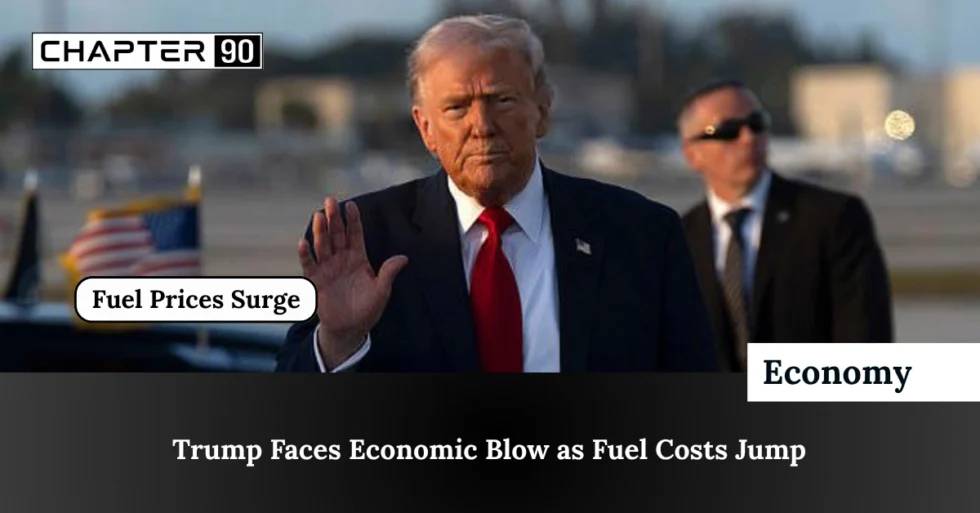
President Donald Trump’s approval rating has fallen to 36 percent, the lowest level recorded since his return to office, as rising fuel prices and wider economic strain linked to the Iran war weigh on public sentiment. A recent national poll also found that only 29 percent approve of his handling of the economy, and just 25 percent approve of his handling of the cost of living.
Fuel Prices Are Becoming the Main Economic Pain Point
The biggest pressure on households is fuel. U.S. gasoline prices have climbed above $3.97 a gallon, while oil has surged past $100 a barrel as the conflict disrupted supply and intensified worries around the Strait of Hormuz. When fuel rises this fast, it quickly feeds into transport costs, daily spending, and inflation fears across the wider economy.
The Cost of Living Is Hurting Trump’s Core Economic Message
Trump has long relied on the economy as one of his strongest political selling points, but that message is now under more pressure. The latest polling shows frustration over living costs is spreading, including among Republicans, as households feel the impact of higher gas prices and broader price pressure.
War Risk Is Feeding Inflation Concerns Again
The Iran war is not only a foreign policy problem. It is also creating a fresh inflation risk. Import prices in the United States posted their biggest monthly gain in nearly four years in February, driven largely by higher energy costs, while business surveys in several major economies have started to show weaker activity and rising price pressure.
The Federal Reserve Now Faces a Harder Economic Backdrop
Higher energy prices are also making the policy outlook more difficult. Federal Reserve officials have signaled that inflation progress is still needed before rates can come down, but the recent oil shock has made that path less clear. That matters for the economy because delayed rate cuts can keep borrowing costs high for businesses and consumers.
Voters Are Linking the War to Economic Stress
Polling suggests the political damage is not coming from one issue alone. Many Americans disapprove of the military action itself, but they are also increasingly worried about what the conflict means for gas prices, safety, and the wider economy. That combination is making the economic fallout more visible in public opinion.
The White House Is Looking for Fuel Relief
The administration is now considering steps to ease pressure at the pump, including a temporary loosening of summer gasoline rules that could lower prices by a few cents. Even so, the move would only soften part of the hit if oil stays high and supply risks continue.
The Economic Risk Could Grow if Energy Stays High
The bigger concern is what happens if the fuel shock lasts. A prolonged period of high oil and gasoline prices could slow growth, keep inflation elevated, and further weaken consumer confidence. That would make the political cost even harder to contain because the problem would move from sentiment into broader economic performance. This is an inference based on the reported rise in fuel costs, inflation pressure, and slower business activity.