

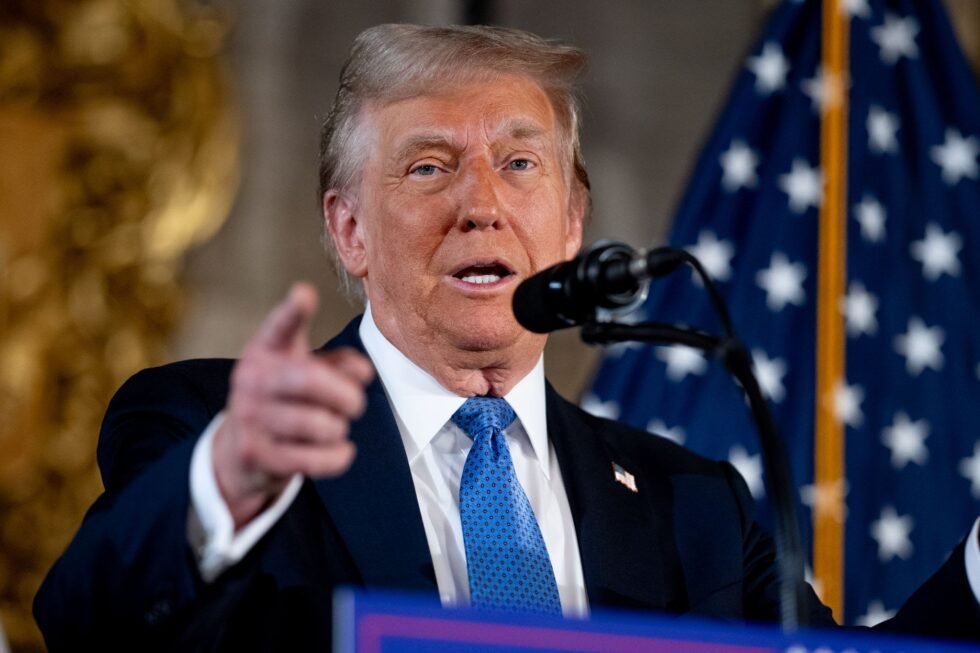
Donald Trump’s decision to immediately impose 25% tariffs on countries that continue doing business with Iran is less about economics alone and more about sending a psychological and political signal. At its core, the move reflects a familiar pattern: using pressure not just to punish an adversary, but to force third parties into choosing sides.
Tariffs, in this case, function as leverage. Rather than directly targeting Iran — a country already under heavy sanctions — the strategy shifts the burden outward. Nations trading with Iran are now faced with a clear calculation: maintain access to the US market or continue commercial ties with Tehran. For many governments and corporations, that choice is not ideological, but pragmatic.
Human behavior in global markets often follows incentives and fear more than principle. A 25% tariff is not just a financial cost; it introduces uncertainty, disrupts long-term planning, and creates anxiety for exporters and investors. Even companies with indirect exposure to Iran may begin reassessing contracts simply to avoid future risk. That ripple effect is often the real objective.
China’s potential inclusion highlights the psychological tension behind the move. China has historically resisted US pressure when it comes to foreign policy alignment, yet it is deeply intertwined with global trade. By signaling that no country is too large to be affected, the tariff threat becomes a test of resolve on both sides. It places economic pragmatism against geopolitical independence.
For Trump, the immediacy of the action is also behavioral messaging. Acting “immediately” communicates decisiveness and strength, qualities that resonate strongly with his political base. It reinforces a narrative of control and unpredictability — making opponents uncertain about where the next line will be drawn.
On the global stage, the reaction is likely to be cautious rather than confrontational. Governments may publicly criticize the move while quietly instructing businesses to reduce exposure to Iran. In international trade, compliance often happens silently, driven by risk management rather than agreement.
However, this strategy also carries consequences. Allies may feel pressured rather than persuaded, and overuse of tariffs can weaken trust in long-term trade relationships. Businesses value predictability, and sudden policy shifts increase the cost of planning and investment.
Ultimately, the tariff move reflects a broader behavioral truth in geopolitics: power is exercised not just through force, but through uncertainty. By making economic cooperation with Iran feel costly and unstable, the policy aims to isolate Tehran indirectly — while reminding the world that access to the US market still comes with conditions.
Whether this approach reshapes global behavior or accelerates resistance remains to be seen. But in the short term, it forces governments and companies alike to rethink where their economic loyalties truly lie.