


US Judge Orders Government to Return Over $130 Billion in Tariffs
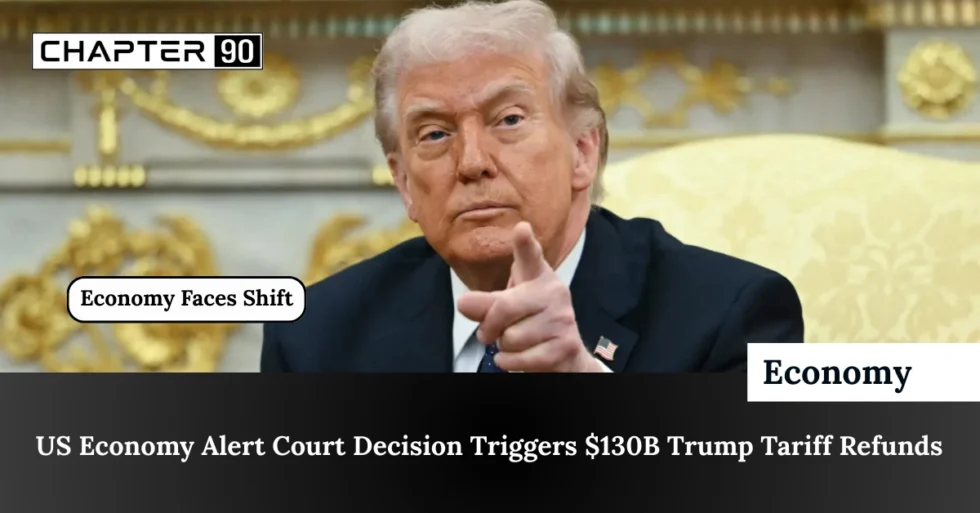
A US federal judge has ruled that the government must begin returning more than $130 billion in tariff payments to American businesses. The decision marks another legal setback for the Trump administration after the Supreme Court previously struck down the president’s broad “reciprocal” tariff policy. The ruling requires authorities to start the process of reimbursing companies that paid the disputed import duties.
Businesses Seek Compensation for Illegal Tariffs
Over 2,000 companies have taken legal action to recover the tariffs they claim were unlawfully collected. Major corporations such as Costco and FedEx are among the businesses involved in the lawsuits. Judge Richard Eaton’s ruling helps clarify the complicated process companies must follow to recover these payments, although the refund procedure itself could take several years before it is fully completed.
Trump Administration Pushes New Tariff Measures
Despite the court decision, the administration has moved ahead with a new round of tariffs. President Trump introduced a 10% global tariff that could increase to 15% within the week, according to Treasury Secretary Scott Bessent. The measure is being implemented using Section 122 of the Trade Act of 1974, which allows the president to impose tariffs of up to 15% for a maximum period of 150 days without immediate congressional approval.
Potential Return to Higher Tariff Levels
The White House is also examining other legal pathways to continue its trade strategy beyond the temporary tariff period. Bessent indicated that tariff levels could return to previous rates within about five months. Meanwhile, the administration’s top trade adviser suggested that certain countries could face duties higher than 15% if officials believe it is justified under existing trade laws.
Global Trade Uncertainty Continues
US trade policy remains uncertain following the Supreme Court’s decision to invalidate earlier global tariffs. The introduction of a new 10% blanket tariff has added to the confusion for international partners. The European Union has already paused ratification of its planned trade agreement with the United States. The stating that it wants greater clarity about the direction of US tariff policy before moving forward.
Political and Economic Pressures Ahead
At the same time, the administration is reconsidering some tariffs on metals. As part of a broader effort to address rising living costs. Officials are trying to balance trade protection policies with concerns about affordability as the country moves closer to midterm elections. Businesses and global partners are watching closely for signs of how US trade rules may evolve in the months ahead.