


Economy Braces for Possible 15% Global Tariff
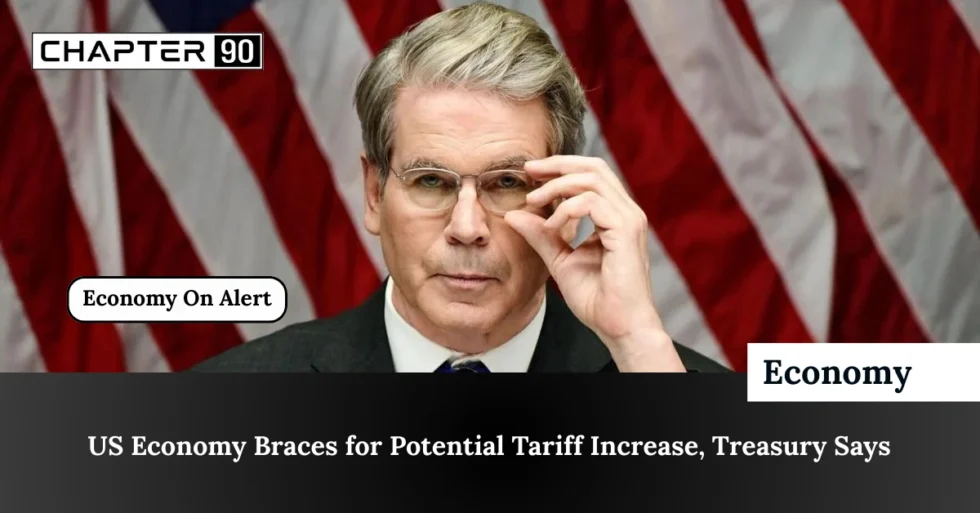
US Treasury Secretary Scott Bessent has indicated that a 15% global tariff could be introduced this week, following mixed messaging from President Donald Trump about the exact rate. The proposed measure is meant to replace broad import taxes announced last year that were later struck down by the Supreme Court.
Confusion Over Tariff Rate
After the court invalidated the earlier sweeping tariffs, the White House moved to impose a 10% levy instead. However, President Trump stated on social media that the rate would rise to 15%, creating uncertainty among businesses and foreign governments. Officials later said they were working to align formal policy documents with the president’s public remarks.
Legal Tools Used to Reinstate Tariffs
To implement the 10% global tariff, the administration relied on Section 122 of US trade law. This provision allows the president to impose duties of up to 15% for 150 days without congressional approval under certain conditions. The White House has minimized the impact of the Supreme Court ruling, arguing it can rely on alternative legal authorities to reinstate tariffs more permanently.
Longer Term Trade Strategy
Bessent has expressed confidence that tariff rates will return to previous levels within months. Still, uncertainty remains about the direction of US trade policy. The administration says the tariffs aim to rebalance trade relationships, support domestic manufacturing, and reduce the national debt.
Background on ‘Liberation Day’ Tariffs
In April last year, President Trump unveiled wide-ranging tariffs on dozens of countries, with rates beginning at 10% and in some cases reaching 50%. These measures sparked intense trade negotiations, as countries sought lower duties in exchange for investment commitments and policy changes. The Supreme Court later overturned those tariffs, along with certain duties targeting imports from Mexico, Canada, and China, citing limits on emergency powers.
Impact on Trade Deals and Allies
The shift to a uniform 10% tariff placed most countries on similar terms, though certain goods were exempted. This move raised concerns about previously negotiated agreements, particularly for allies that believed they had secured more favorable treatment under earlier arrangements.
Sector Specific Tariffs Ahead
The White House has signaled it may use other legal mechanisms, including Section 301 and Section 232, once the temporary authority expires. These tools allow the US to target specific countries or industries, typically in response to unfair trade practices or national security concerns. Past actions under these laws have included tariffs on steel, aluminum, and automobiles.
Business Community Seeks Stability
Unlike sudden tariff announcements seen previously, the procedures tied to Sections 301 and 232 require formal investigations and public comment periods. Many businesses prefer this structured approach, as it offers more time to prepare for policy changes, even if the final tariff levels remain largely unchanged.