


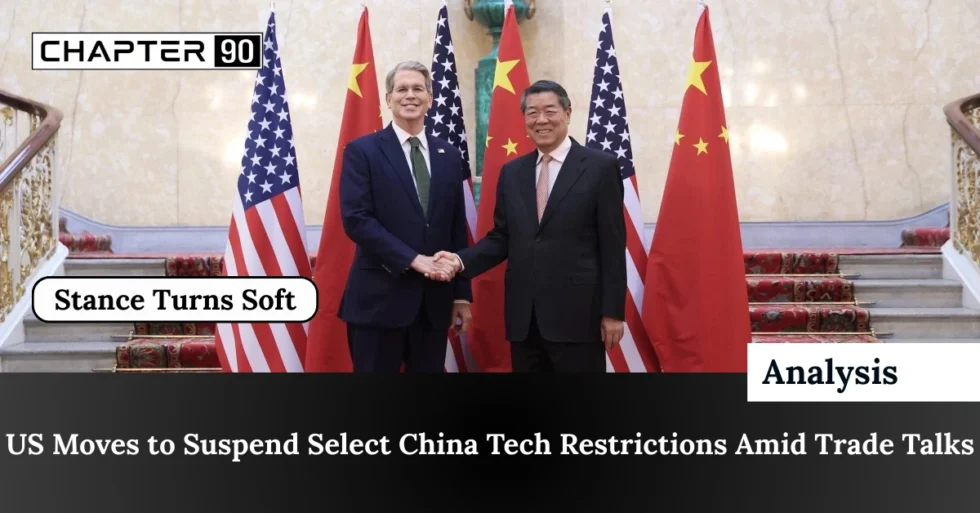
US Pauses Technology Restrictions on China Ahead of Presidential Meeting
The Trump administration has paused several major technology security actions targeting Beijing as both countries prepare for a presidential meeting in April. The suspended steps reportedly include a ban on China Telecom’s US operations and limits on Chinese equipment used in American data centers.
Additional Measures Quietly Shelved
Proposed restrictions affecting TP Link routers, as well as the US internet operations of China Unicom and China Mobile, have also been put on hold. Another plan that would have blocked sales of Chinese-made electric trucks and buses in the US has been delayed, according to sources familiar with the matter.
Trade Truce Shapes Policy Shift
The decisions follow a trade understanding reached in October between President Donald Trump and Chinese President Xi Jinping. As part of that agreement, China pledged to delay export restrictions on rare earth minerals that are critical to global technology manufacturing.
Commerce Department Defends Approach
The Commerce Department said it continues to use its authority to address national security risks linked to foreign technology. Officials say they are keeping necessary protective measures in place while temporarily pausing certain actions.
Critics Warn of Security Risks
Some analysts argue that easing restrictions could expose US infrastructure to potential risks. With data center construction expanding rapidly to support artificial intelligence demand. It critics warn that Chinese-linked equipment could create vulnerabilities in telecom networks, AI systems, and energy infrastructure.
Beijing Calls for Cooperation
China’s embassy said governments should avoid politicizing trade and technology issues. Officials in Beijing signaled support for improved ties and said both countries should move toward mutual respect and stable cooperation in the coming year.
TP Link Rejects Security Allegations
TP Link Systems, now headquartered in California after separating from its Chinese parent, said it operates as an independent American company. It emphasized that its software and data management are US-based and that it follows industry security standards. The company denied being under foreign control or posing any national security threat.
Internal Delays and Policy Refocus
Sources indicated that progress on the proposed measures slowed last year amid discussions within the Commerce Department and the White House. After the October trade truce, officials reportedly shifted attention toward technology threats linked to Iran and Russia.
Leadership Changes at Commerce
Officials dismissed the head of the office overseeing foreign technology threats last month.. Katelyn Christ will replace the official. She is a political appointee with prior department experience.. Observers say some paused measures could return if relations between Washington and Beijing deteriorate after the April summit.
Growing Stakes in AI and Infrastructure
Experts say US data center capacity could nearly double by 2030.This trend increases the strategic importance of secure hardware supply chains. Former officials have warned that relying on Chinese-linked equipment could create long-term vulnerabilities in America’s digital and energy systems.
Trade Strategy and Rare Earth Leverage
Moreover, policy specialists say the move aims to stabilise relations before the summit.China controls rare earth exports. A powerful bargaining tool. Some believe this limits how aggressively Washington can respond.pursue new technology restrictions.