



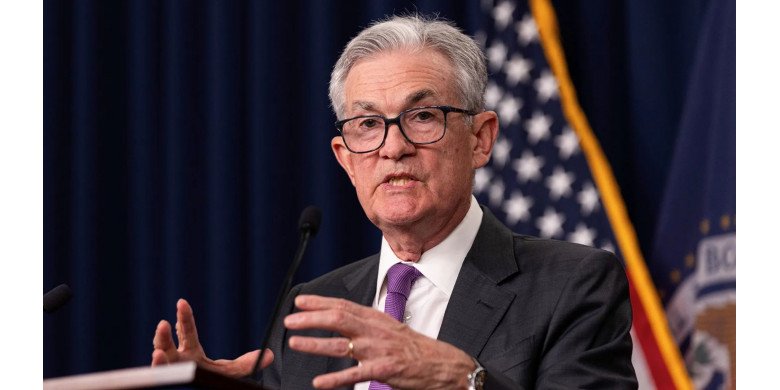
For years, markets have treated the Federal Reserve chair as the ultimate signal-setter. A word, a pause, or a shift in tone from the top could calm volatility or ignite it. But recent sentiment suggests something deeper is unfolding: faith in the institution itself is being questioned, not just the individual leading it.
From a human-behaviour perspective, this shift is critical. People don’t lose trust all at once — they lose it gradually, after repeated moments of uncertainty. Inflation shocks, rapid rate hikes, mixed messaging, and policy reversals have quietly altered how investors perceive the Fed’s authority. The result is a growing belief that no single leader, no matter how experienced, can easily restore confidence alone.
Markets operate on expectation management. When participants believe policy tools are effective, guidance carries weight. When that belief weakens, even decisive action feels insufficient. This is where the Fed finds itself now. Rate decisions still move markets, but the reactions feel shorter-lived, less convinced, more skeptical.
Human behavior under prolonged uncertainty often shifts from trust to self-protection. Investors stop relying on institutions and start hedging independently. We see this in the rise of volatility trading, defensive positioning, and increased attention to hard assets and cash. These behaviors signal doubt not panic, but detachment.
Another challenge lies in credibility fatigue. When policy explanations grow more complex, people struggle to anchor expectations. Simplicity builds trust; complexity erodes it. Over time, investors begin to tune out forward guidance and focus only on outcomes. The Fed’s words matter less when its control feels constrained by external forces like fiscal policy, global shocks, and political pressure.
This moment also exposes a structural reality: central banks are not all-powerful. Monetary policy can influence demand, but it cannot easily resolve supply-side disruptions, geopolitical instability, or fiscal imbalances. Expecting one individual to navigate all of this perfectly creates unrealistic pressure and inevitable disappointment.
From a behavioural lens, the issue isn’t leadership failure; it’s expectation overload. Markets want certainty in an environment that no longer offers it. When certainty disappears, confidence shifts away from institutions and toward adaptability.
What’s emerging now is a recalibration. Investors are learning to operate without assuming the Fed can smooth every downturn or guide every cycle. That doesn’t mean the Fed is irrelevant it means it’s no longer viewed as a safety net without limits.
In finance, trust is currency. And rebuilding it requires more than steady leadership. It requires consistency, clarity, and time. Until then, markets will continue to test policy credibility not through words, but through behavior.
This is not the end of the Fed’s influence. But it is a reminder that institutions, like people, must earn trust repeatedly not rely on reputation alone.