


Three trillion dollars is a hard number to picture. It’s not something people casually talk about. But when you hear that data centers may need that much investment by 2030, what it really reveals isn’t just a technology story, it’s a human one.
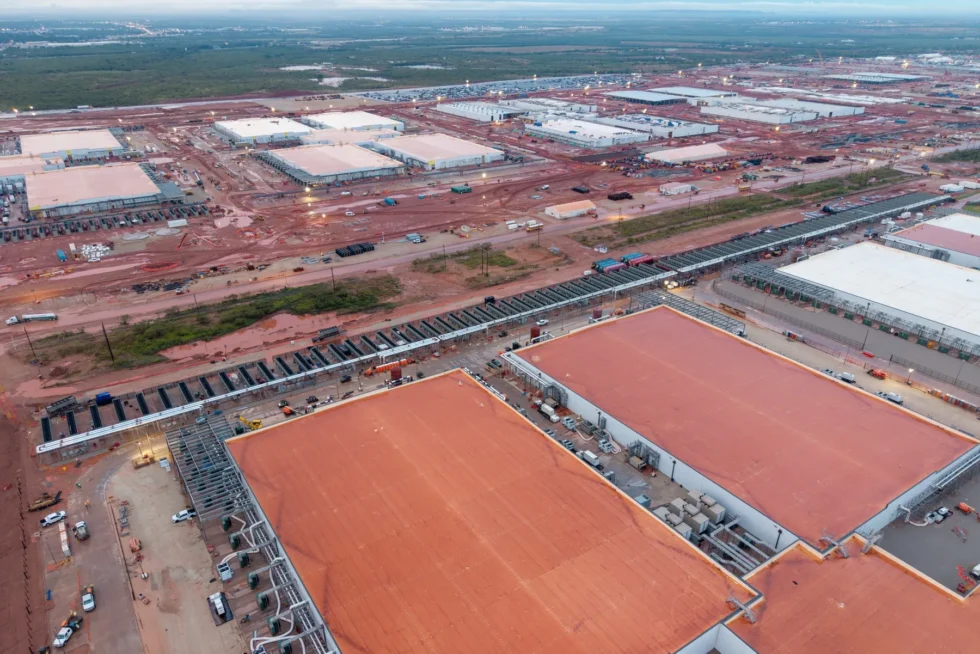
At its core, this massive spending is driven by anxiety. The fear of falling behind. The fear of being unprepared for what comes next. Data centers aren’t glamorous. They don’t feel futuristic to most people. They’re quiet buildings filled with machines, hidden away from daily life. Yet they’ve become the backbone of how the modern world thinks, works, and communicates.
Human behavior always shifts when dependence grows. The more we rely on digital life — streaming, cloud storage, AI tools, remote work the more pressure builds underneath to support it. People don’t consciously think about servers when they send a message or ask a question online. But collectively, those small actions pile up into massive demand.
This is where money follows behavior. Companies aren’t spending trillions because they want to. They’re spending because they feel they must. If they don’t build capacity, systems slow down. If systems slow down, trust breaks. And once trust breaks, people move elsewhere. In the digital world, patience is thin.
There’s also a competitive instinct at play. No one wants to be the one who underestimated demand. Overbuilding feels safer than being caught unprepared. That mindset, “better too much than too little” often dominates when the future feels uncertain but unavoidable.
What makes this moment different is speed. Demand isn’t growing slowly. It’s accelerating. AI, automation, and constant connectivity are compressing timelines. Decisions that once could wait are now being pulled forward. That urgency changes how money is deployed and how risks are tolerated.
There’s quiet tension behind all this spending. Data centers consume enormous energy, space, and resources. Communities worry about impact. Companies worry about costs. Governments worry about infrastructure strain. But stopping isn’t really an option because digital life doesn’t pause.
On a human level, this investment reflects something simple: people want things to work instantly and reliably. We’ve built expectations around speed and availability, and now the physical world has to catch up with those expectations.
In the end, the trillions aren’t just being spent on machines. They’re being spent on reassurance that the systems people depend on won’t fail when demand peaks. It’s an expensive promise, but in a world built on data, reliability has become priceless.
And that’s why this spending isn’t shocking. It’s inevitable.