


Iran Oil Shock Pushes US Inflations Higher
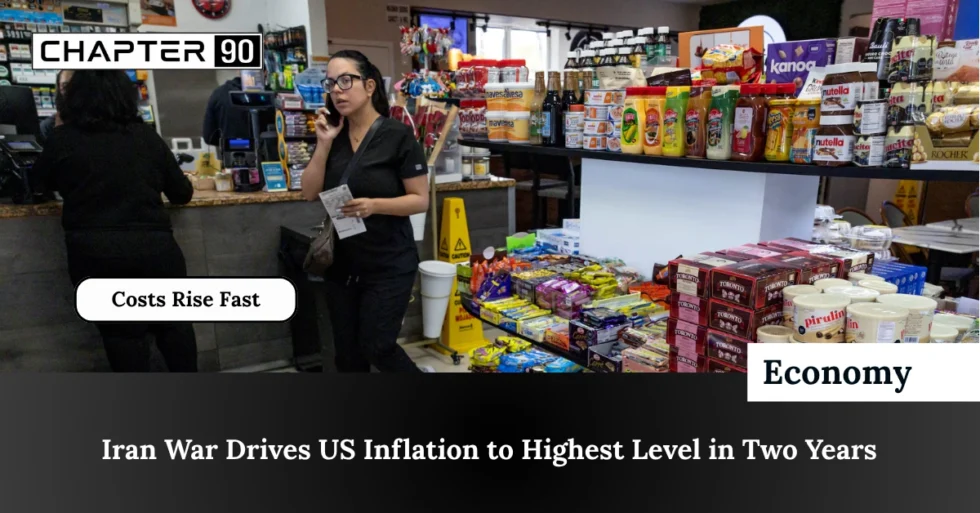
US inflation has surged to its highest level in nearly two years, driven by a sharp rise in energy prices linked to the Iran conflict. The latest data shows consumer prices accelerating as the economic impact of the war spreads across multiple sectors.
Energy Prices Lead the Surge
The main driver behind the inflation spike is the rapid increase in oil and gasoline prices. Crude oil surged above $100 per barrel, while fuel prices climbed past $4 per gallon, significantly raising transport and production costs.
Energy prices alone jumped more than 10% in March, reflecting the direct impact of supply disruptions linked to the conflict.
Inflation Jumps to Highest Level in Two Years
Economists estimate that annual inflation has climbed to around 3.4%, up from 2.4% in February, marking the biggest increase in nearly two years.
The sharp rise highlights how quickly geopolitical tensions can feed into everyday costs.
Impact Spreads Across Economy
The oil shock is not limited to fuel prices. Rising energy costs are pushing up prices in key sectors including transport, food, manufacturing, and air travel.
Higher logistics and production costs are being passed on to consumers, increasing the overall cost of living.
Federal Reserve Faces Policy Challenge
The inflation surge is complicating the Federal Reserve’s strategy. With price pressures rising again, expectations for interest rate cuts are being delayed as policymakers assess the impact of the conflict.
Markets Remain Under Pressure
Financial markets are reacting cautiously, with volatility increasing as investors adjust to higher inflation and energy costs. The situation has reduced confidence and increased uncertainty.
Outlook Depends on Oil and Conflict
The future path of inflation will largely depend on oil prices and geopolitical developments. Even if tensions ease, economists warn that the inflation impact could last for months.