


U.S. Stocks Fall as Inflation Rises and Tech Rally Slows
U.S. stock markets closed lower on Tuesday as investors reacted to rising inflation data, higher oil prices, and renewed geopolitical tensions involving Iran. The decline interrupted a recent rally in major technology stocks and increased uncertainty surrounding the Federal Reserve’s next policy decisions.
Market volatility increased throughout the session as investors reassessed inflation risks, interest rate expectations, and broader geopolitical developments affecting global trade and energy markets.
Nasdaq Leads Market Decline
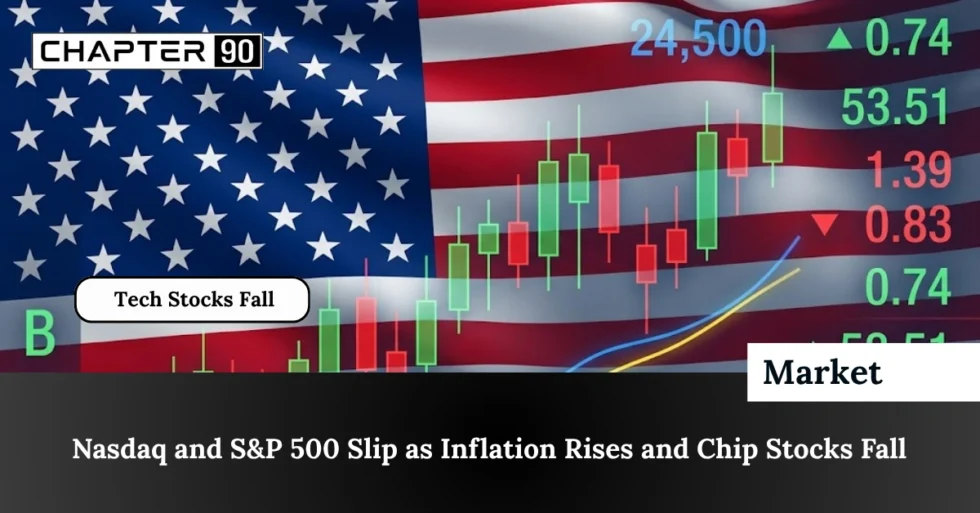
The Nasdaq Composite recorded the largest losses among major indexes as technology and semiconductor shares weakened during trading.
The S&P 500 also moved lower after recently reaching record highs, while the Dow Jones Industrial Average remained relatively stable due to its lower exposure to high-growth technology companies.
Analysts said investors are becoming increasingly cautious as inflation, interest rates, and geopolitical risks continue influencing market sentiment across multiple sectors.
Inflation Data Raises Market Concerns
Investors closely analyzed the latest Consumer Price Index report, which showed inflation rising faster than expected in April.
Core inflation exceeded forecasts, while annual headline inflation reached 3.8 percent, marking the strongest increase since May 2023.
The stronger inflation reading increased concerns that price pressures may remain elevated longer than previously expected, potentially forcing the Federal Reserve to maintain higher interest rates for an extended period.
The inflation figures were released by the Bureau of Labor Statistics, reinforcing concerns that price pressures remain above the Federal Reserve’s long-term target.
Economists believe persistent inflation could continue affecting:
- consumer spending
- borrowing costs
- business investment
- corporate profitability
throughout the broader economy.
Iran Tensions Push Energy Prices Higher
One of the biggest drivers behind rising inflation concerns is the continued increase in global energy prices.
Market uncertainty intensified after tensions between the United States and Iran escalated, particularly surrounding uncertainty over a ceasefire agreement and the strategic importance of the Strait of Hormuz.
The region remains critical for global oil transportation, and fears of supply disruptions pushed crude oil prices sharply higher during trading.
Analysts say prolonged instability in the Middle East could continue increasing transportation, manufacturing, and fuel costs worldwide.
Oil Prices Climb Above Key Levels
West Texas Intermediate crude oil rose more than 3 percent during trading.
Brent crude also gained more than 3 percent as traders monitored developments in the Middle East and broader global supply risks.
Higher oil prices are expected to place additional pressure on:
- transportation costs
- manufacturing expenses
- airline operations
- consumer fuel prices
This could further complicate inflation trends globally and increase pressure on businesses and households already facing elevated borrowing and operating costs.
Semiconductor Stocks Face Additional Selling Pressure
Semiconductor companies also remained under pressure as investors reassessed growth expectations across the artificial intelligence sector.
Major chip companies including NVIDIA, AMD, and Intel remained closely watched as investors evaluated whether AI-related demand could continue supporting elevated market valuations.
Analysts say concerns surrounding:
- rising infrastructure costs
- slowing technology spending
- long-term profitability
have increased volatility across chip-related stocks.
The semiconductor sector has been one of the strongest drivers of the broader stock market rally over the past year, making any slowdown particularly important for overall investor confidence.
Investors are closely monitoring whether artificial intelligence demand can continue supporting premium valuations across the technology sector.
Treasury Yields Rise as Inflation Expectations Increase
Bond markets also reacted to the stronger inflation data.
Treasury yields moved higher as investors reduced expectations for near-term Federal Reserve interest rate cuts. Analysts believe higher borrowing costs could continue pressuring growth-oriented sectors, particularly technology companies that are more sensitive to interest rate changes.
Higher yields often reduce investor appetite for:
- speculative growth stocks
- high-valuation technology companies
- risk-sensitive assets
while increasing pressure on broader financial conditions.
Federal Reserve Outlook Returns to Market Focus
The stronger inflation report has renewed debate about how the Federal Reserve may respond in upcoming policy meetings.
Recent economic reports, including stronger-than-expected employment data, had already reduced expectations for near-term interest rate cuts.
Now, rising inflation and energy prices may force policymakers to remain cautious about easing monetary policy too quickly.
Investors are increasingly concerned that prolonged higher interest rates could slow economic growth while continuing to pressure corporate earnings and market valuations.
Trump Begins High-Profile China Visit
President Donald Trump also began a major visit to China, where he is scheduled to meet Xi Jinping.
Trade relations, artificial intelligence, technology competition, and economic cooperation are expected to dominate discussions between the two leaders.
Trump has invited several major U.S. business executives to participate in the visit, including:
- Elon Musk
- Tim Cook
Investors are also closely watching whether discussions between the United States and China could affect:
- semiconductor supply chains
- tariffs
- artificial intelligence competition
- global technology markets
in the months ahead.
Investors Remain Cautious Amid Global Uncertainty
Markets continue facing pressure from multiple global risks, including:
-
- inflation
- rising oil prices
- interest rate uncertainty
- slowing global growth
Analysts say investors are becoming more defensive as political and economic developments increasingly influence market direction.
Many traders are also shifting attention toward upcoming corporate earnings reports and future inflation data to determine whether markets can stabilize after recent volatility.
Conclusion
Tuesday’s market decline reflected growing investor concerns over inflation, rising oil prices, and geopolitical instability.
While artificial intelligence and technology sectors continue supporting long-term market optimism, rising borrowing costs and global tensions are increasing uncertainty across financial markets.
Investors will now closely monitor inflation data, Federal Reserve policy signals, corporate earnings, and developments in the Middle East for further direction in the weeks ahead as volatility continues affecting both technology stocks and the broader global market environment.
Stay updated on markets, business, and global trends that move the world.