


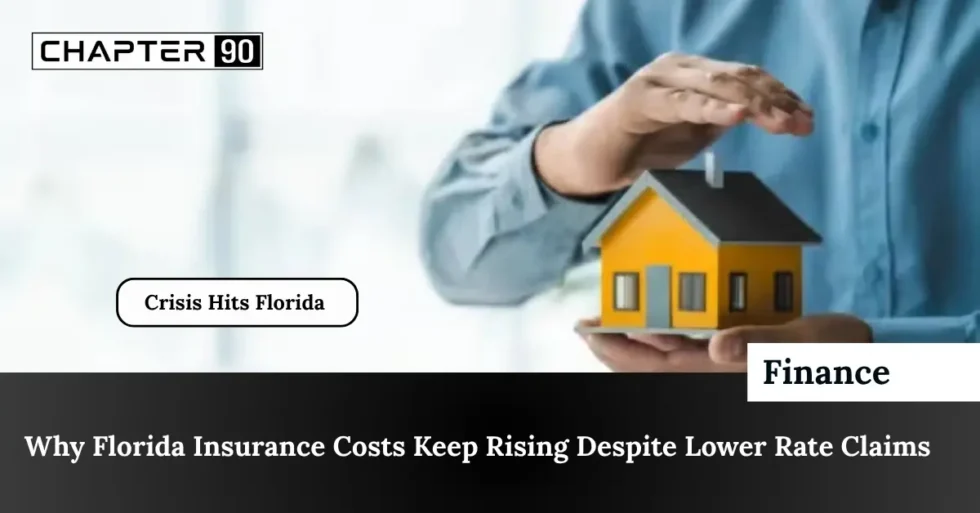
Why Florida Home Insurance Premiums Are Rising Despite Falling Rates
Florida homeowners are confused as insurance regulators report declining rates, yet many residents continue to see their annual premiums increase. An insurance industry executive explains the key reasons behind this contradiction.
Home Insurance Costs Depend on Property-Specific Factors
According to industry experts, homeowners insurance pricing is based on individual property characteristics. These include the home’s age, location, construction quality, and wind mitigation features designed to reduce storm damage risks.
Because each home is different, premiums can vary significantly even within the same neighborhood.
Reinsurance Plays a Major Role in Pricing
A major driver of Florida insurance costs is reinsurance, often described as “insurance for insurance companies.”
Reinsurance helps insurers manage risk by covering large or unexpected losses. When reinsurance becomes more expensive, insurers pass those costs on to homeowners through higher premiums.
What Is Reinsurance and How Does It Work?
Reinsurance allows primary insurance companies to transfer part of their financial risk to other insurers. This helps stabilize the insurance market during major disasters like hurricanes.
It also increases insurers’ ability to pay claims and spread risk globally. Nearly half of U.S. reinsurance premiums are handled by foreign companies, showing how global the system has become.
Coastal Homes Cost More to Insure Than Inland Homes
Insurance experts explain that location is a major factor in pricing. Homes near Florida’s coastline face higher hurricane and flood risks compared to inland properties.
As a result, two similar homes can have very different insurance costs depending solely on where they are located.
Why Inland Homeowners Still Pay Higher Premiums
Even homeowners away from the coast may see rising costs. Experts say insurance companies assess risk based on overall statewide exposure, not just individual locations.
This means inland policyholders may still contribute to covering high-risk coastal losses through broader risk pooling.
Rising Construction Costs Increase Premiums
Another key reason premiums continue to rise is the increasing cost of rebuilding homes.
Even if insurance rates per $1,000 of coverage go down, higher construction and labor costs increase the total replacement value of homes. This leads to higher overall premiums.
For example, if a home’s rebuilding cost doubles over time, insurance coverage must also increase, raising the total bill.
Florida Insurance Reform Reduces Lawsuits
Recent legislative reforms introduced between 2019 and 2023 have significantly reduced insurance-related lawsuits in Florida.
The number of legal claims filed against insurers has dropped sharply, easing pressure on insurance companies and helping stabilize the market.
Sharp Decline in Insurance Litigation
Data from state regulators shows a consistent drop in lawsuits related to homeowners insurance claims.
Florida, which once accounted for a large share of national insurance litigation, has seen double-digit declines in filings throughout 2025 and into 2026.
In some months, lawsuit filings have dropped by more than 30 percent compared to the previous year.
Confusion Between Rates and Premiums
Officials explain that “rate” refers to the cost per $1,000 of coverage, while “premium” is the total amount paid by homeowners annually.
Even if rates decrease, premiums can still rise if the insured value of a home increases due to higher rebuilding costs.
Expert Advice for Homeowners
Insurance professionals recommend that homeowners shop around for policies that best match their property and risk profile.
Because companies assess risk differently, switching providers may sometimes help reduce costs.
Conclusion
Florida’s insurance market remains complex, where falling rates do not always translate into lower bills. Factors such as reinsurance costs, construction inflation, and risk exposure continue to push premiums higher despite recent reforms aimed at stabilizing the industry.