


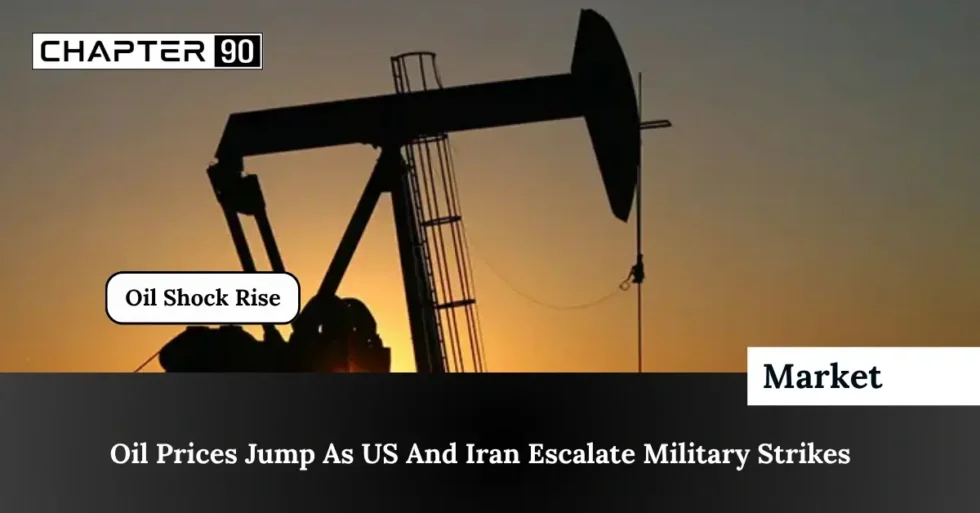
Oil Price Rise as US Iran Tensions Worry Traders
Oil prices moved higher after fresh tension between the United States and Iran made traders nervous about energy supplies
The Middle East is closely watched by oil markets because the region plays a major role in global crude movement
When military pressure rises in the Gulf traders often react quickly because any problem with supply routes can affect prices across the world
Brent crude rose more than five percent and moved close to ninety five dollars and ninety four cents per barrel
West Texas Intermediate also gained and traded near ninety two dollars and seventy eight cents per barrel
The rise shows that investors are not only looking at what has already happened
They are also thinking about what could happen if the conflict spreads closer to oil routes
Why the market is nervous
The main worry is that tension could make oil movement harder or more expensive
Traders are not only worried about attacks on oil fields or refineries
They are also watching shipping routes tanker movement insurance costs and security warnings
Even a short delay in the Gulf can change the mood of the market
That is why every new update from the region is being taken seriously
Ahmed Al Juqqa from Equiti Group said each new strike makes de escalation harder and increases concern about supply disruption
He also said Brent crude could move toward one hundred dollars if shipping risks become more serious
Strait of Hormuz stays in focus
The Strait of Hormuz is the biggest concern for oil traders right now
It is a narrow waterway but it carries a major share of global oil shipments
A problem there can affect buyers far beyond the Middle East
The market does not need a complete blockage to move higher
Delays security alerts higher insurance costs or restricted tanker movement can also push prices up
This is why traders are watching the area closely
If ships continue moving without major trouble prices may calm down
If movement becomes risky crude prices could rise again quickly
Military activity adds new pressure
The latest price jump came after fresh military activity in the region
Iran Revolutionary Guard said it targeted an airbase believed to be connected to a recent American operation
The exact location was not confirmed
The statement came after reports of missile and drone activity near Kuwait
This followed US strikes on Iranian command facilities near the Strait of Hormuz
American officials said the strikes came after Iran allegedly brought down a US drone in international airspace
For oil investors the location of these events matters
The closer the tension moves to Gulf routes the more serious the risk becomes for energy markets
Talks keep some hope alive
Even with military pressure talks have not fully stopped
US Defense Secretary Pete Hegseth said discussions were moving forward
Officials also described the talks as productive
That gave traders some hope that the situation can still be controlled
But the market is not relaxed yet
Traders want clear signs that both sides are stepping back
A positive diplomatic update may cool prices for a while
Another strike near shipping routes could bring fresh buying back into crude
Goldman Sachs sees two sides to the market
Goldman Sachs sees oil being pulled in two different directions
On one side supply risk from the Middle East is helping prices move higher
If transport or production faces longer disruption crude could face more pressure
On the other side demand is not strong everywhere
Slower energy use in China and Europe could stop prices from rising too far
That makes the market harder to read
Oil is not moving only because of the United States and Iran conflict
Traders are also watching factory activity transport demand economic growth and future fuel use
What could move oil prices next
The next move in oil prices will depend on military updates talks and shipping activity
If more strikes happen near key energy routes traders may push prices higher
If talks improve and both sides show restraint some fear may leave the market
Shipping through the Strait of Hormuz will remain the main signal
If tankers keep moving normally prices could settle
If movement becomes slower or riskier Brent crude could move closer to one hundred dollars per barrel
That would raise concerns about fuel costs business expenses and inflation
Why this matters beyond oil
Higher oil prices can affect more than traders
They can raise fuel costs for households and businesses
Transport companies airlines manufacturers and retailers may all feel the pressure if crude stays high
Higher energy costs can also feed into inflation
That matters for central banks because energy prices can influence price expectations across the economy
This is why the United States Iran tension is important for wider markets
It can affect stocks currencies bonds and investor confidence
Market outlook
For now traders are staying careful
They are not waiting for a major supply disruption before reacting
They are already pricing in the chance that the conflict could become more damaging for global energy supply
If diplomacy improves crude could give back some of its recent gains
If military pressure grows oil may stay high or move even higher
The Strait of Hormuz will remain the main area to watch
For investors the coming days may decide whether this price jump becomes a short term reaction or the start of a bigger energy market problem
FAQS (Frequently Asked Questions)
Why are oil prices rising ?
Oil prices are rising because renewed tension between the United States and Iran has raised fears about supply disruption in the Middle East
How much did Brent crude rise?
Brent crude rose more than five percent and moved close to ninety five dollars and ninety four cents per barrel
What was the west Texas intermediate price?
West Texas Intermediate traded near ninety two dollars and seventy eight cents per barrel
Why is the strait of Hormuz important?
The Strait of Hormuz is one of the world most important oil shipping routes
Any risk to movement through this waterway can quickly affect global oil prices
Could brent crude reach one hundred dollars
Yes Brent crude could move toward one hundred dollars if the conflict grows or shipping risks become worse
What did Iran say happened?
Iran Revolutionary Guard said its forces targeted an airbase believed to be connected to a recent American operation
What did the United States say?
US officials said American forces struck Iranian command facilities near the Strait of Hormuz after Iran allegedly brought down a US drone in international airspace
Are talks still continuing?
Yes officials have said talks are still active but traders remain cautious because there is no clear breakthrough yet
What is Goldman Sachs watching?
Goldman Sachs is watching Middle East supply risks and weaker demand from major economies such as China and Europe
What will investors watch next?
Investors will watch military updates diplomatic signals and shipping activity near the Strait of Hormuz in the coming days
I prefer this response
Track the Latest Oil Market Moves as US Iran Tensions Drive Prices Higher