



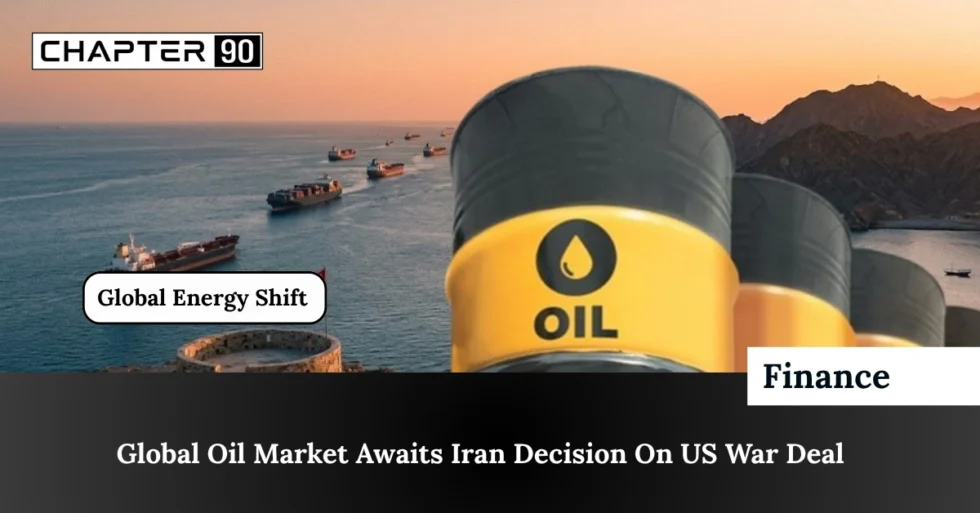
Geopolitical Tensions Keep Oil Prices in Narrow Range
Oil prices moved in a tight range on Tuesday as traders waited for clearer signals from the conflict between Iran and the United States and the market did not move strongly in either direction because investors were still watching whether diplomacy could slow down the pressure in the region.
Tehran is reviewing a proposal from Washington that could help reduce tensions after a long period of conflict. Brent crude traded near 95 dollars per barrel while West Texas Intermediate stayed above 92 dollars and the earlier in the session both benchmarks moved sharply before recovering most of their losses.
Negotiations Continue Despite Communication Pause
Iranian media reports suggest that Tehran is still studying the latest proposal from the United States. Direct communication between both sides appears to have slowed in recent days but talks have not fully ended and the US President Donald Trump said negotiations remain active and added that he believes an agreement could be reached soon. Traders are now waiting to see whether both governments can make real progress because any serious diplomatic step could calm energy markets and reduce some of the fear built into oil prices.
Strait Of Hormuz Remains The Biggest Concern
The Strait of Hormuz remains the biggest issue for oil traders because it is one of the most important energy routes in the world and since the conflict began shipping activity through the waterway has faced heavy pressure and the route carries a large share of global oil and natural gas supplies so any restriction in the area can quickly affect prices.
Traders are watching tanker movement shipping access and security conditions because even small delays can create concern about future supply. For now the market is likely to stay sensitive to every update linked to the strait.
Ongoing Military Activity Keeps Markets Alert
Diplomatic efforts are still moving but military activity has not fully stopped. Reports indicate that Israel carried out more strikes in southern Lebanon while tensions involving Hezbollah remain unresolved and this wider security risk is one reason investors are not ready to assume that the region is moving toward a stable outcome.
Oil markets are reacting carefully because any new attack or regional escalation can change the supply outlook quickly. As long as the situation remains uncertain traders are likely to keep a risk premium in crude prices.
Falling Oil Inventories Add Support To Prices
Energy experts are also watching global oil inventories which continue to fall. The International Energy Agency has warned that stockpiles could reach unusually low levels before the peak summer demand season if current trends continue. Lower inventories matter because they leave the market with less protection if supply is disrupted. When stockpiles are already tight any new problem in the Middle East can have a bigger effect on prices. This is one reason oil has remained firm even while traders wait for diplomatic updates.
Strong Demand Could Trigger Another Price Surge
Some industry officials believe August could become an important month for energy markets. If global demand rises during the summer while supply risks remain unresolved prices could move higher again. Strong travel fuel use and industrial demand can add pressure when inventories are already falling. At the same time weaker economic activity in some regions may stop prices from rising too far and that mixed picture makes the outlook harder to read because the market is balancing geopolitical risk against uncertain demand.
US Oil Exports Increase Amid Supply Concerns
As supply risks in the Middle East continue, buyers in Asia and Europe have turned more attention toward American crude. US oil exports reached strong levels in May as refiners looked for alternative supplies outside the conflict zone. This shift shows how important US crude has become during periods of global uncertainty. When buyers feel nervous about Gulf supplies they often look for more stable sources. Higher US exports may help balance the market but they do not remove the risk created by disruption near key Middle East shipping routes.
Market Outlook Remains Uncertain
Oil prices remain caught between hopes for diplomacy and fears of another disruption. Investors are watching talks between Washington and Tehran while also tracking inventories, shipping movement and regional security updates. The negotiations lead to a serious breakthrough energy markets could cool and crude prices may give back some recent strength.
The tensions continue near the Strait of Hormuz prices could stay elevated in the coming weeks. For now traders are likely to move carefully because the next major headline could quickly change the market direction.
FAQS (Frequently Asked Questions)
Why are oil prices remaining stable right now?
Oil prices are holding steady because investors are waiting for clearer updates on negotiations between Iran and the United States before making bigger trading decisions.
Why is the Strait of Hormuz important?
The Strait of Hormuz is one of the world’s most important energy routes and carries a large share of global oil and natural gas shipments.
How has the conflict affected oil prices?
The conflict has raised supply concerns and disrupted confidence around shipping routes which has helped keep oil prices at higher levels.
What could cause oil prices to rise further?
Oil prices could rise further if supply disruptions continue, inventories fall more sharply or summer demand becomes stronger.
Could a peace agreement lower oil prices?
Yes. A serious agreement that reduces regional tension and improves shipping confidence could ease pressure on global energy markets.
Why are global oil inventories falling?
Inventories are falling because demand remains strong in several markets while supply disruptions and uncertainty have reduced available stockpiles.
Explore breaking global economic and oil updates on Chapter Ninty.