


Public Ownership in the Age of Artificial Intelligence
A growing debate is taking shape across the United States and Europe over who should benefit from the rapid growth of artificial intelligence and the policymakers, technology leaders and government officials are increasingly discussing whether the public should have a direct stake in the companies driving the AI revolution.
As artificial intelligence becomes more important to economic growth, national security and public services, many leaders believe the benefits should extend beyond private investors and technology firms.
Sam Altman And Bernie Sanders Discuss Public Ownership
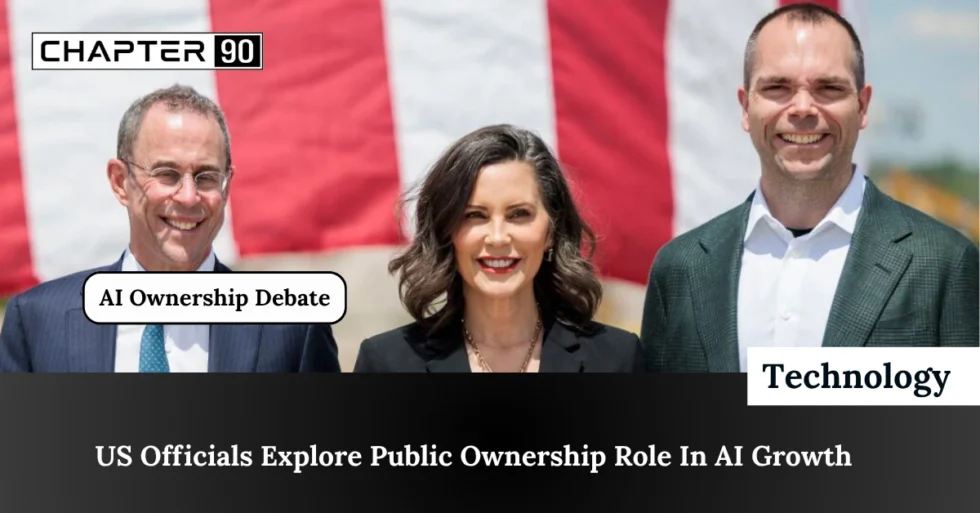
The conversation gained new attention after OpenAI Chief Executive Sam Altman met with Senator Bernie Sanders to discuss proposals related to public participation in AI companies.
Sanders has suggested that the public should hold a significant ownership stake in major artificial intelligence firms. Revenue generated from those investments could. The directed into a public wealth fund designed to benefit citizens.
Reports indicate that Altman supports the idea of public participation in the success of artificial intelligence. However he does not support the specific ownership level proposed by Sanders.
Europe Pushes For Greater Technology Independence
The debate is also expanding across Europe where leaders are seeking greater control over critical technologies and the European Commission recently introduced proposals aimed at strengthening Europe’s technological independence.
The plan includes limits on the involvement of certain foreign technology companies in sensitive government contracts while also increasing investment in domestic digital infrastructure and the European officials argue that greater local control is necessary to protect essential services and reduce reliance on outside technology providers.
United Kingdom Launches AI Investment Initiative
The United Kingdom has also taken steps to increase its involvement in the artificial intelligence sector and earlier this year the government launched a Sovereign AI Fund designed to support British technology companies and encourage domestic innovation.
The initiative aims to strengthen the country’s position in the global AI market while reducing dependence on foreign technology firms.
Officials believe direct investment can help accelerate growth and create long term economic benefits.
Trump Signals Support For Public Participation
President Donald Trump recently expressed interest in a model that would allow Americans to share in the success of artificial intelligence companies and the speaking about the future of AI development Trump suggested that a partnership between technology firms and the public could create broader economic opportunities. He described the concept as a way for citizens to become participants in a major technological transformation.
His comments have attracted attention because they share some similarities with ideas promoted by political figures from different parts of the political spectrum.
Rare Areas Of Agreement Emerge
Although Trump and Sanders often disagree on policy issues, both have supported giving the public a larger role in benefiting from technological growth, and the discussion reflects a wider concern about how artificial intelligence will distribute the wealth it generates in the future. As AI becomes a larger part of the economy many policymakers are questioning whether existing ownership models are sufficient.
Government Investment In Strategic Industries
The current administration has already shown willingness to invest in strategic industries viewed as important to national interests and the recent government investments in technology and manufacturing sectors demonstrate a growing belief that public participation can help strengthen domestic capabilities and support long term economic competitiveness and the supporters argue that these investments can help secure leadership in emerging technologies while creating broader public benefits.
AI Ownership Debate Continues To Expand
As artificial intelligence continues transforming industries around the world the question of ownership is becoming increasingly important and the supporters of public participation believe citizens should benefit directly from technologies that influence everyday life and receive substantial public support through research infrastructure and policy development.
The critics argue that excessive government involvement could limit innovation and reduce the flexibility that has helped drive technological progress and the debate remains in its early stages but it is becoming a central discussion in technology policy across major economies.
FAQs (Frequently Asked Questions)
What is public ownership in artificial intelligence?
Public ownership refers to proposals that would allow governments or citizens to hold a stake in AI companies and benefit from their financial success.
Why is public ownership of AI being discussed?
Many policymakers believe the economic benefits created by artificial intelligence should be shared more broadly rather than remaining concentrated among private investors.
What proposal did Bernie Sanders support?
Bernie Sanders suggested that the public should hold a significant ownership stake in major AI companies with profits supporting a public wealth fund.
What is Sam Altman’s position?
Sam Altman has expressed support for the idea that the public should benefit from AI growth but has not supported specific ownership percentages.
What is Europe doing regarding AI development?
European leaders are investing in technology infrastructure and promoting policies aimed at reducing dependence on foreign technology providers.
Why is AI considered strategically important?
Artificial intelligence is increasingly connected to economic growth, healthcare energy systems, cybersecurity research and national competitiveness.
Explore more AI policy and technology developments from Chapter Ninty.