


Gold Prices Climb After US And Iran Move Toward Peace Agreement
A preliminary truce sent gold to a multi-day high on Monday, while oil fell hard on hopes that Hormuz traffic could finally get back to normal.
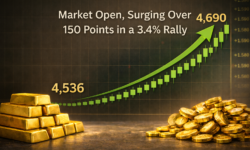
News broke Monday that the US and Iran had hammered out a preliminary agreement to wind down their conflict, and gold reacted almost instantly. Spot prices jumped 2 percent, touching about 4304 dollars an ounce, the highest mark since June 9. August gold futures moved in lockstep, up 2 percent to 4325 dollars and after months of jittery trading, this was the kind of move that made people sit up and pay attention.
So what’s actually being agreed to?
Officials from both sides described a framework, not a final signed document, but a framework, aimed at ending hostilities and the two pieces stand out: lifting the US blockade on Iran, and reopening the Strait of Hormuz. That second one is huge, given how much of the world’s oil and gas moves through that stretch of water. Pakistan’s PM, Shehbaz Sharif, said the actual signing would likely happen in Switzerland later this week. Markets, understandably, took that as a green light.
A falling dollar didn’t hurt either
Gold wasn’t rallying in isolation. The dollar dropped to a ten day low right after the news came out, and a weaker dollar almost always works in gold’s favor, it makes the metal cheaper for anyone buying with euros, yen, rupees, you name it. Oil went the opposite direction entirely, sliding more than 4 percent as traders bet that normal shipping through the Gulf might be back sooner than expected.
Lower oil, lower inflation worries, simple as that
If oil stays cheap, inflation pressure eases up, that’s the basic logic analysts are running with right now. Combine that with a softer dollar and you get a pretty good environment for gold and its sister metals. The catch? Everything depends on whether this peace framework actually sticks. Plenty of agreements have fallen apart before reaching the signing table.
Remember how bad things had gotten
It’s easy to forget, but gold has been on a rollercoaster since this conflict started earlier in the year. Oil spiking, inflation fears building, investors constantly recalculating where rates and growth were headed, it was a mess. Shipping lanes getting blocked off only made things worse, feeding into a broader sense that energy markets, and by extension everything connected to them, were heading somewhere uncomfortable.
The Fed angle nobody’s talking about loudly enough
Here’s a detail that’s easy to miss: rate hike expectations are quietly shifting. Traders have been pulling back on bets that the Fed raises rates again this year, and gold tends to like that kind of environment since it doesn’t pay interest anyway. Compared to just last week, expectations for a December hike have dropped pretty noticeably.
Don’t expect analysts to throw out their old playbook just yet
Despite the good mood, most analysts aren’t tearing up their long term outlook on gold. Concerns about government debt, currency weakness, general economic uncertainty, none of that goes away because of one diplomatic win. Some even argue that if inflation keeps cooling from here, gold could attract even more investment down the road.
Gold had company on the way up
It wasn’t a solo act. Silver jumped over 3 percent, platinum and palladium both posted strong gains too and pretty much across the board, precious metals caught the same wave of optimism that this US-Iran breakthrough kicked off.
FAQs (Frequently Asked Questions)
Why did gold go up today?
The short version, news of a preliminary US-Iran peace agreement eased a lot of the geopolitical fear that had been propping up risk aversion, and that pushed investors toward gold.
How much did gold actually move?
Spot gold gained roughly 2 percent, putting it near 4304 dollars per ounce, its best level in more than a week.
Why would oil fall if everything else is rallying?
Because oil traders are looking ahead, if the Strait of Hormuz reopens like the agreement suggests, that means more oil supply hitting the market, which naturally pushes prices down.
What does the dollar have to do with any of this?
A weaker dollar makes gold cheaper for foreign buyers. So when the dollar dropped to a ten day low, it added extra fuel to gold’s rally on top of the peace news itself.
Why does the Strait of Hormuz get mentioned so often?
Because a massive share of the world’s oil and natural gas exports pass through that one waterway. Anything that affects access to it tends to move global markets pretty quickly.
Could this affect what the Fed does with rates?
Possibly, yes. If energy costs stay down, inflation pressure could ease, and that gives the Fed less reason to keep hiking rates.
Did other metals besides gold benefit too?
Yes, silver, platinum, and palladium all posted gains alongside gold, riding the same optimism from the US-Iran news.
Explore more gold markets and economic developments from Chapter Ninty.