


US Fed Rate Cuts Impact Economy as Experts Predict Explosive Growth Phase Ahead
Markets Begin Pricing in Aggressive Rate Cut Cycle
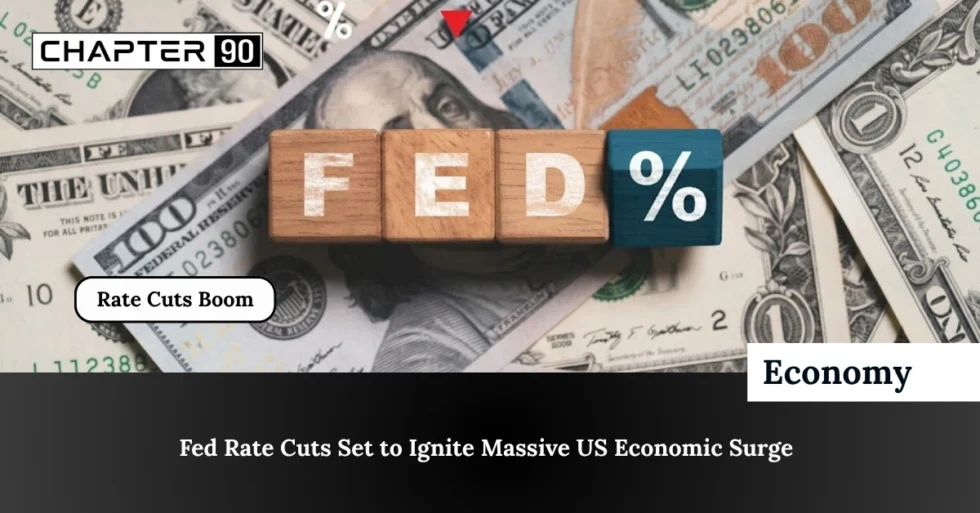
The US Fed rate cuts impact the economy narrative is quickly becoming one of the most important drivers of global markets.
Recent expert commentary suggests that the Federal Reserve may continue cutting interest rates, potentially triggering what some analysts are calling one of the biggest economic expansions in recent years.
At the same time, markets are already reacting. Bond yields have started to soften, equities are holding strong, and investor sentiment is shifting toward a more risk-on environment.
What Happened: Experts Signal Continued Policy Shift
The market reaction intensified after a prominent economic expert suggested that rate cuts are likely to continue, describing the potential outcome as a major economic “explosion.”
This statement reflects a growing consensus that the Federal Reserve is preparing to shift away from its tight monetary stance, especially after a period of aggressive rate hikes aimed at controlling inflation.
The expectation is clear:
Lower borrowing costs
Increased liquidity
Stronger economic activity
This shift is already influencing how investors are positioning themselves.
Background: From Rate Hikes to Rate Cuts
To understand the US Fed rate cuts impact the economy, it is important to look at recent history.
Over the past few years, the Federal Reserve raised interest rates aggressively to combat high inflation. At its peak, the federal funds rate reached levels not seen in over a decade.
These rate hikes:
- slowed down borrowing
- reduced consumer spending
- cooled down inflation
Now, with inflation showing signs of moderation and economic stability improving, the Fed is under pressure to ease policy.
The Real Driver: Liquidity Is Returning to the System
What’s interesting here is that the market is not just reacting to rate cuts, it is reacting to liquidity returning to the system.
When interest rates fall:
-
- Borrowing becomes cheaper
- Businesses expand faster
- Consumers spend more
This creates a powerful chain reaction across the economy
Markets are essentially pricing in a scenario where easier financial conditions fuel growth.
Power Players Controlling the Direction
The US Fed rate cuts impact the economy story is being shaped by a few key forces:
- Federal Reserve leadership, especially policymakers guiding rate decisions
- The US government’s fiscal policy influences economic stability
- Institutional investors are reallocating capital based on interest rate expectations
- Global central banks reacting to US monetary policy
This is not just a US story; it has global implications.
Market Impact: Stocks, Bonds and Inflation Dynamics
The impact of US economic trends tied to rate cuts is visible across multiple sectors:
- Equities: Benefit from lower rates and higher liquidity
- Bonds: Yields fall as rate cuts expectations rise
- Real estate: Mortgage rates decline, boosting demand
- Technology sector: Gains due to lower discount rates
However, there is a trade-off:
Lower rates can also reignite inflation pressure if demand grows too quickly.
This creates a delicate balance for policymakers.
An Overlooked Risk: Too Much Growth Too Fast
While the idea of economic expansion sounds positive, there is an important risk that many investors are overlooking.
If rate cuts are too aggressive:
- Asset bubbles could form
- Financial stability could weaken
This is why the Federal Reserve must carefully manage the pace of cuts
Markets may be optimistic, but policymakers cannot afford to lose control.
What Happens Next Depends on Inflation Data
The future of the US Fed rate cuts impact economy will largely depend on one factor:
Inflation
If inflation continues to decline:
- The Fed will likely proceed with rate cuts
- markets could rally further
If inflation rises again:
- Rate cuts could slow or stop
- markets may react negatively
Right now, investors are betting on the first scenario.
Conclusion
The US Fed rate cuts impact the economy narrative, reflecting a broader shift in economic expectations.
This is no longer just about controlling inflation; it is about managing the next phase of growth.
Markets are positioning for expansion, but that optimism depends heavily on the Fed maintaining control over inflation.
If executed correctly, this could lead to a strong economic cycle. If mismanaged, it could create new risks.
Editor’s Insight
Markets are not just reacting to rate cuts, they are reacting to the idea of easier money returning. That belief is powerful, but it also carries risk if inflation re-emerges.